Blog ·
The most famous stadiums in Buenos Aires
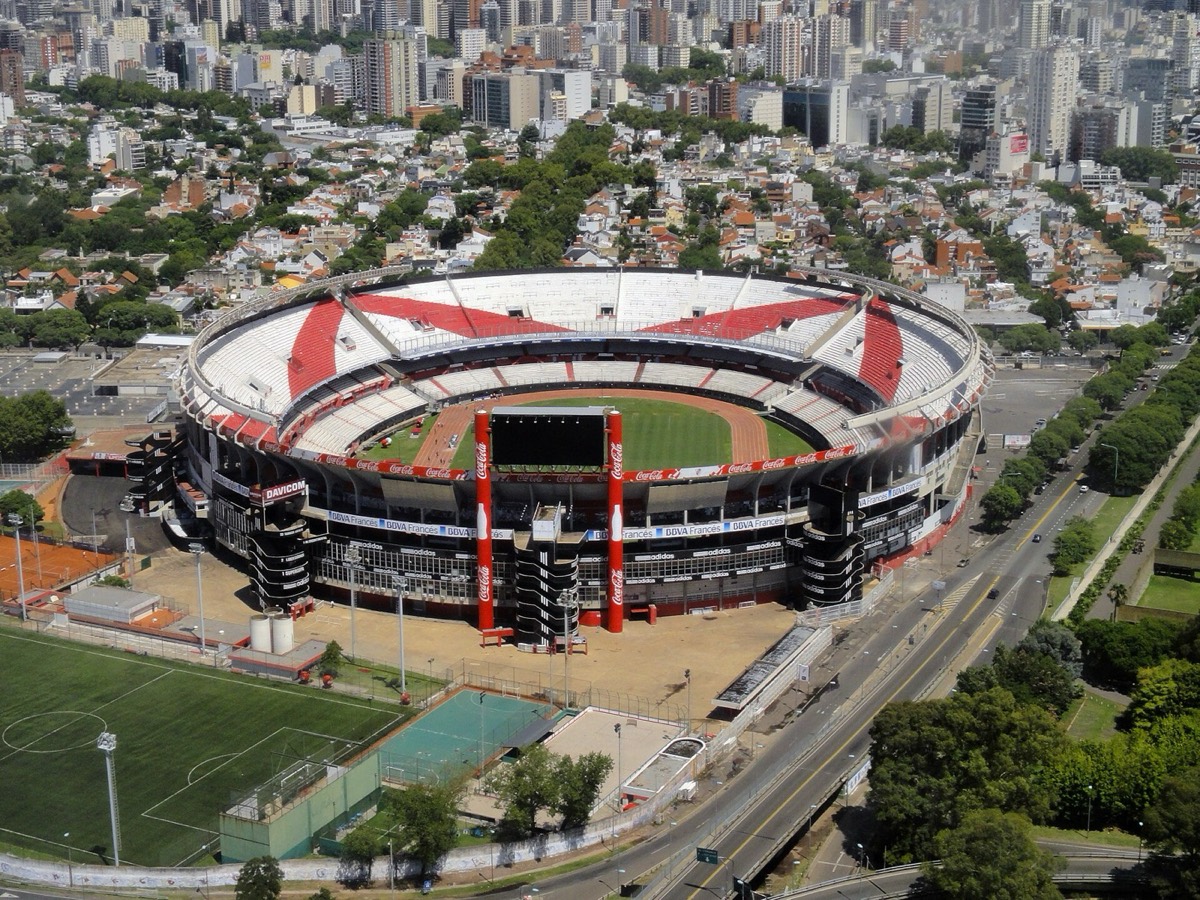
In Buenos Aires, every neighbourhood defends its own ground. These are eight of the best-known stadiums: six in the city itself and two in Avellaneda, in the province, just a few hundred metres apart.
El Monumental (River Plate)
It opened in 1938 and for twenty years it was shaped like a horseshoe. The missing stand was finally closed in 1958, paid for with the money from selling Omar Sívori to Juventus. People associate it with Núñez, although the land actually belongs to the neighbouring barrio of Belgrano. It hosted the 1978 World Cup final, in which Argentina beat the Netherlands 3-1.
La Bombonera (Boca Juniors)
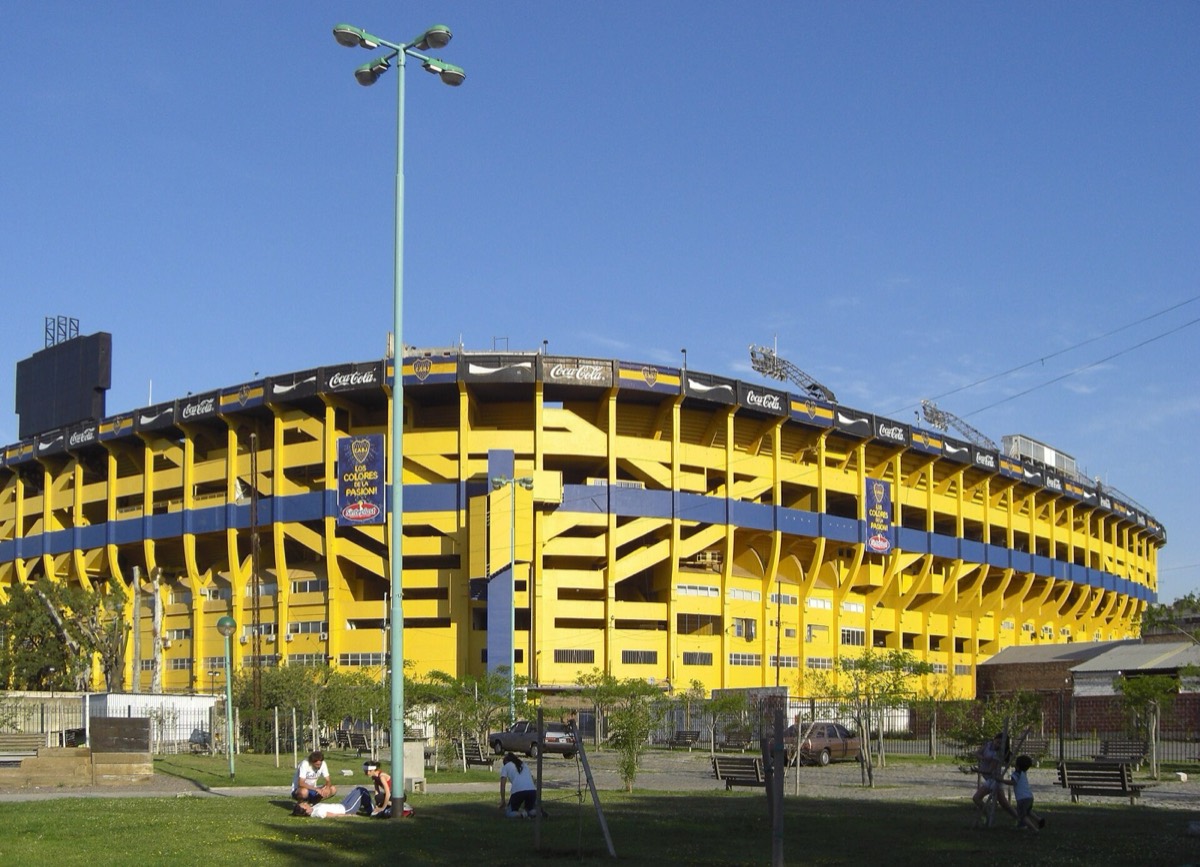
The Estadio Alberto J. Armando (Alberto J. Armando Stadium), in La Boca, opened in 1940. The plot was small, so it has three sides with curved stands and a fourth, flat side, and the crowd sits very close to the pitch. The nickname comes from its resemblance to a box of chocolates (a "bombonera"). Its official name honours Alberto J. Armando, a former club president.
Could you find these two grounds on a map? Try it for free on GeoFútbol (in Spanish or Portuguese).
El Cilindro (Racing Club)
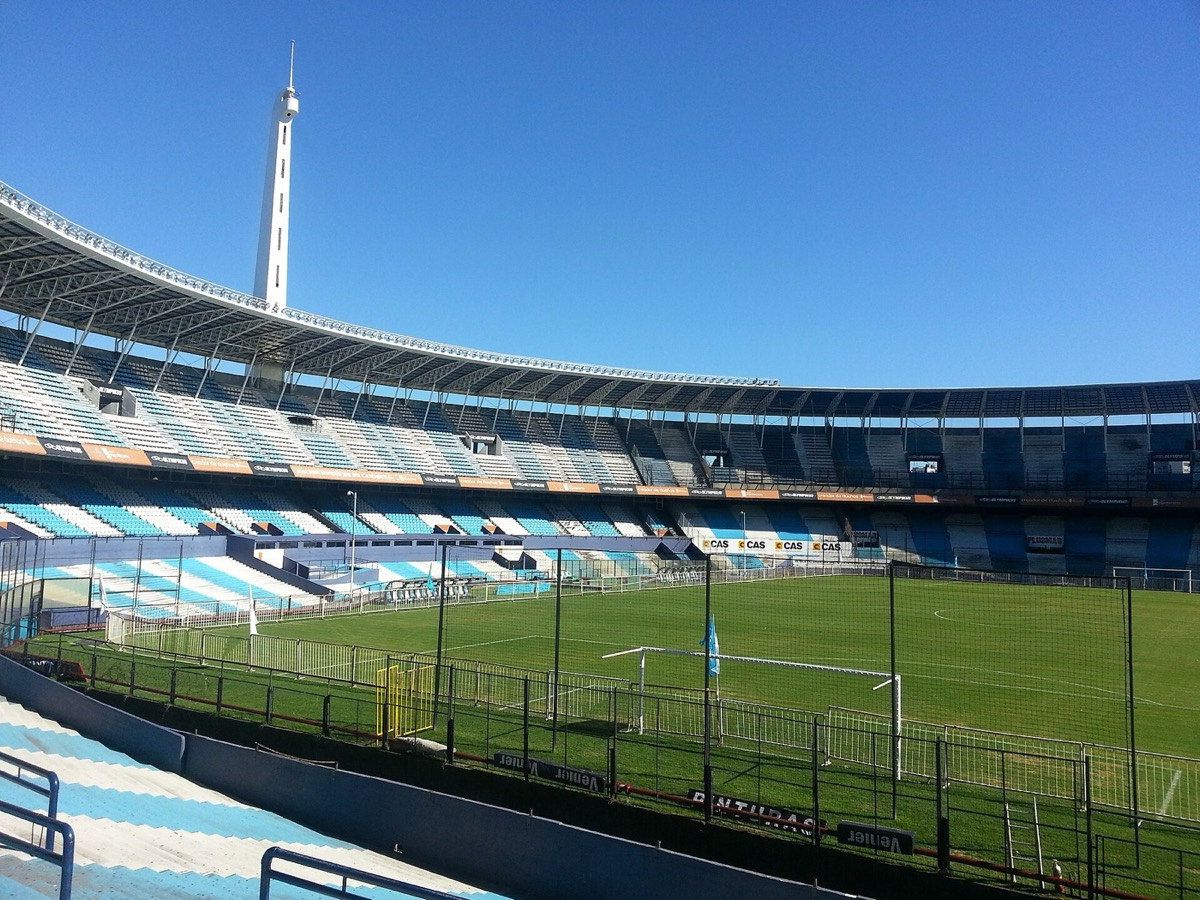
Its official name is Estadio Presidente Perón (President Perón Stadium), but everyone calls it after its shape: "the Cylinder". It opened in Avellaneda in 1950 and was the main venue of the 1951 Pan American Games. In 1967, the Intercontinental Cup match against Celtic drew around 120,000 people, the attendance record for Argentine football.
Libertadores de América (Independiente)
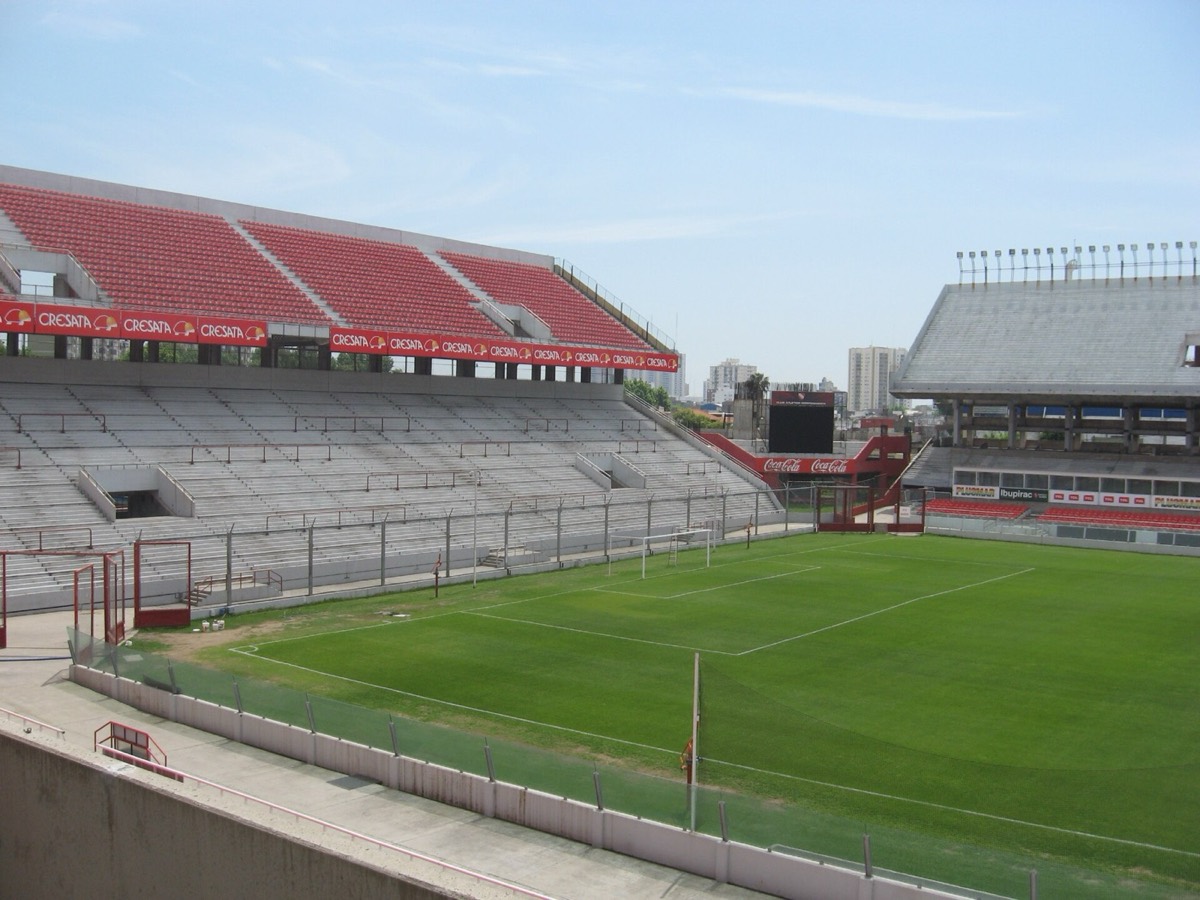
A few blocks from El Cilindro (The Cylinder) stands Independiente's stadium. The current one opened in 2009 on the same site as the old Doble Visera (Double Canopy), built in 1928 and one of the first concrete stadiums in South America. The work was paid for with the sale of Sergio Agüero to Atlético de Madrid. The name honours the club's Copa Libertadores titles and, since 2021, Ricardo Bochini as well.
Nuevo Gasómetro (San Lorenzo)
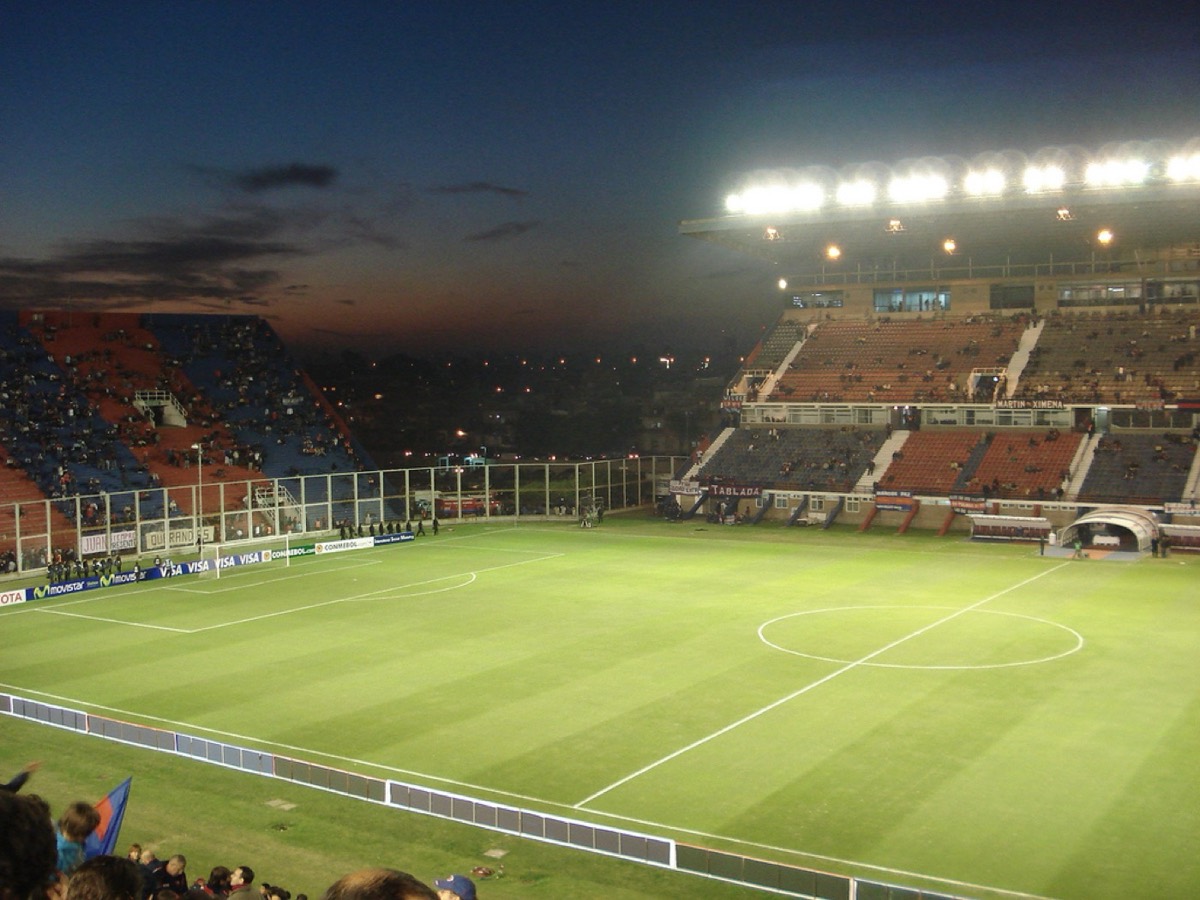
The Estadio Pedro Bidegain (Pedro Bidegain Stadium) opened in 1993, in Bajo Flores. It ended a long period in which San Lorenzo, having lost its old Gasómetro (Gasometer), played its home matches at other clubs' grounds. It has the largest pitch in Argentine professional football: 110 by 70 metres.
José Amalfitani (Vélez Sarsfield)
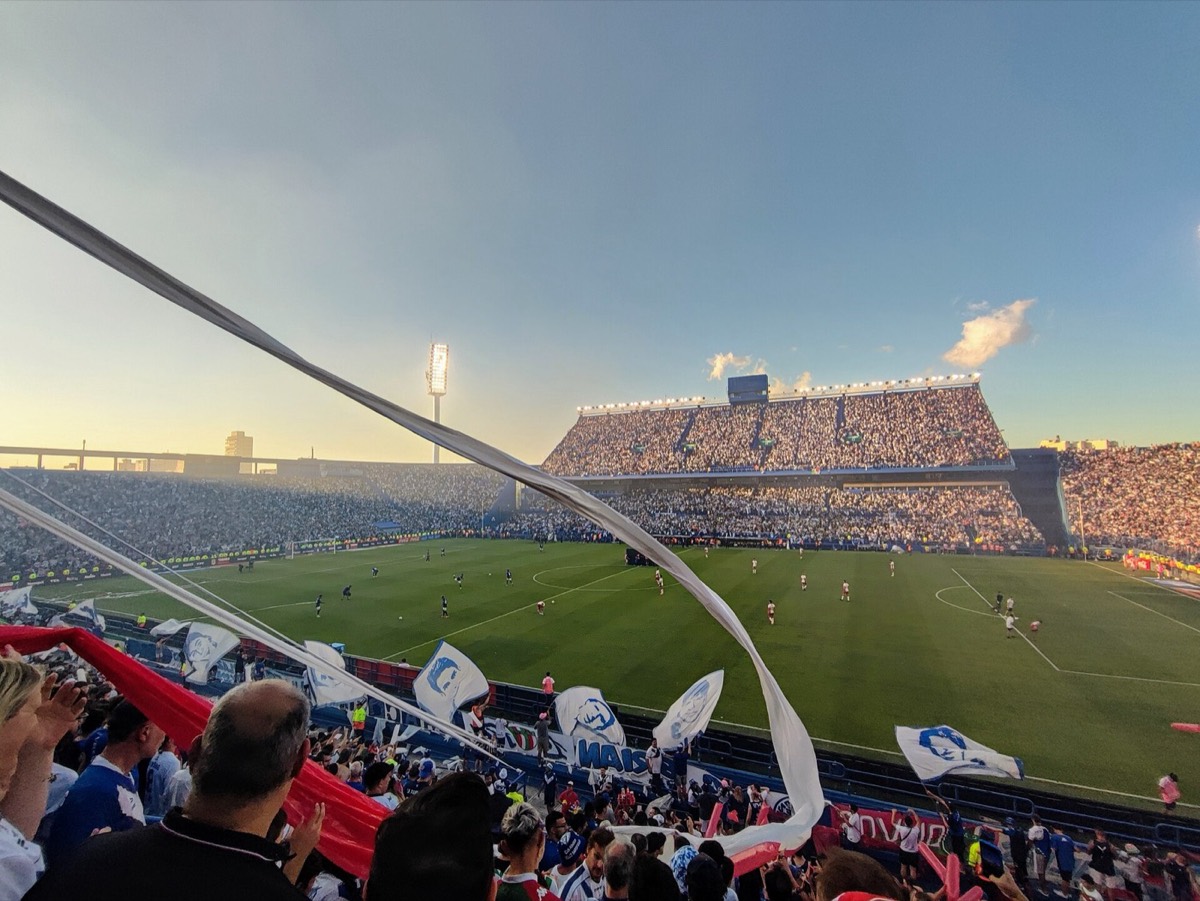
The stadium in Liniers is known as El Fortín (The Little Fort). It opened in 1943 with wooden stands and was rebuilt in concrete in 1951. It was one of the venues of the 1978 World Cup and today it also hosts Los Pumas, Argentina's national rugby team.
Tomás Adolfo Ducó (Huracán)
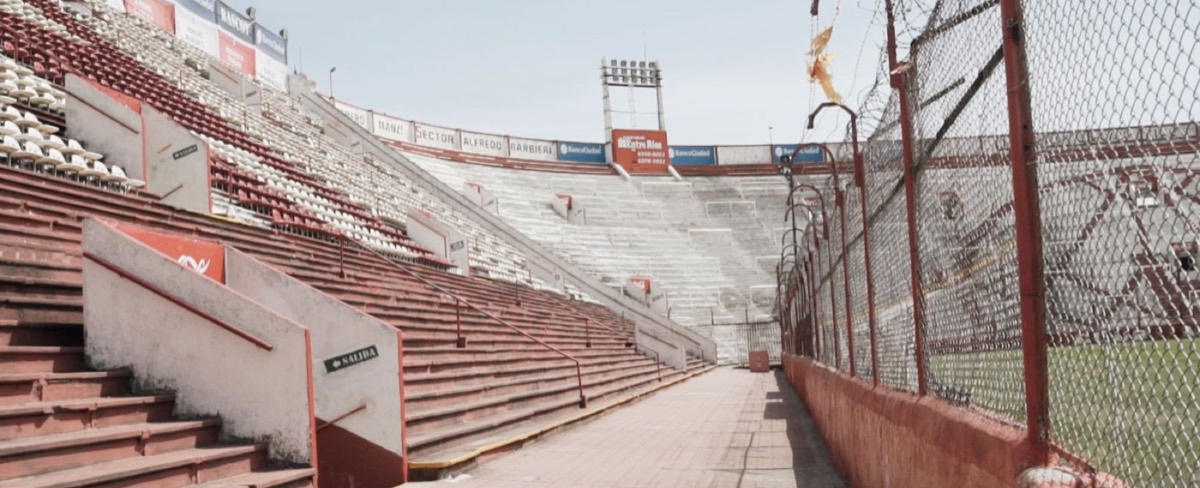
In Parque Patricios, Huracán opened the stadium everyone knows as El Palacio (The Palace) in 1947. It is named after the president who drove the project and has been declared part of the city's heritage. It appears in "El secreto de sus ojos" ("The Secret in Their Eyes"), the Oscar-winning Argentine film.
Diego Armando Maradona (Argentinos Juniors)
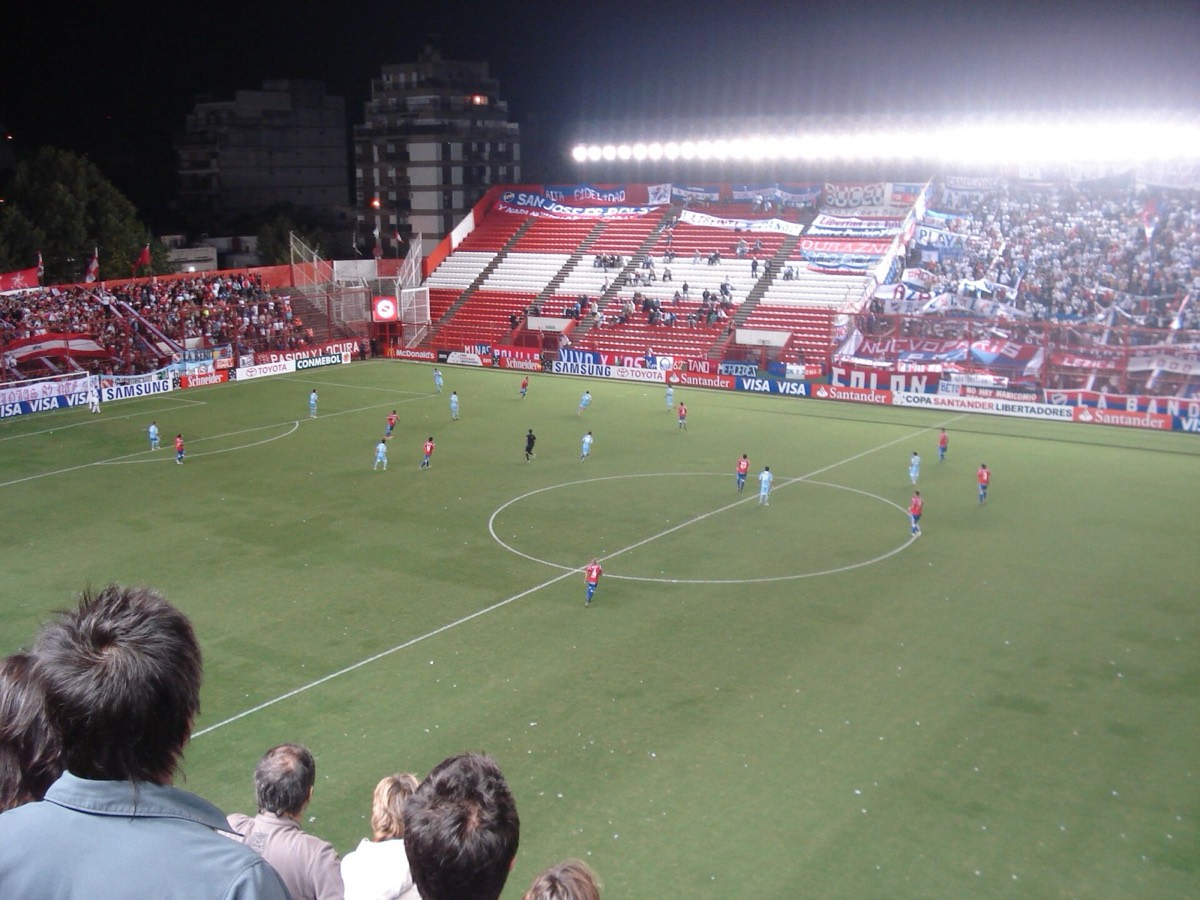
People associate it with La Paternal, although it actually stands in Villa General Mitre. This is where Diego Maradona made his debut in 1976. The stadium was rebuilt, reopened in 2003 and now bears his name. Lionel Messi also made his debut here for the Argentina under-20 side, in 2004.
All of these stadiums can come up in GeoFútbol. Could you place them on the map? Play GeoFútbol today, it's free (in Spanish or Portuguese).