Blog ·
Amsterdam 1928: the Olympic final between Uruguay and Argentina
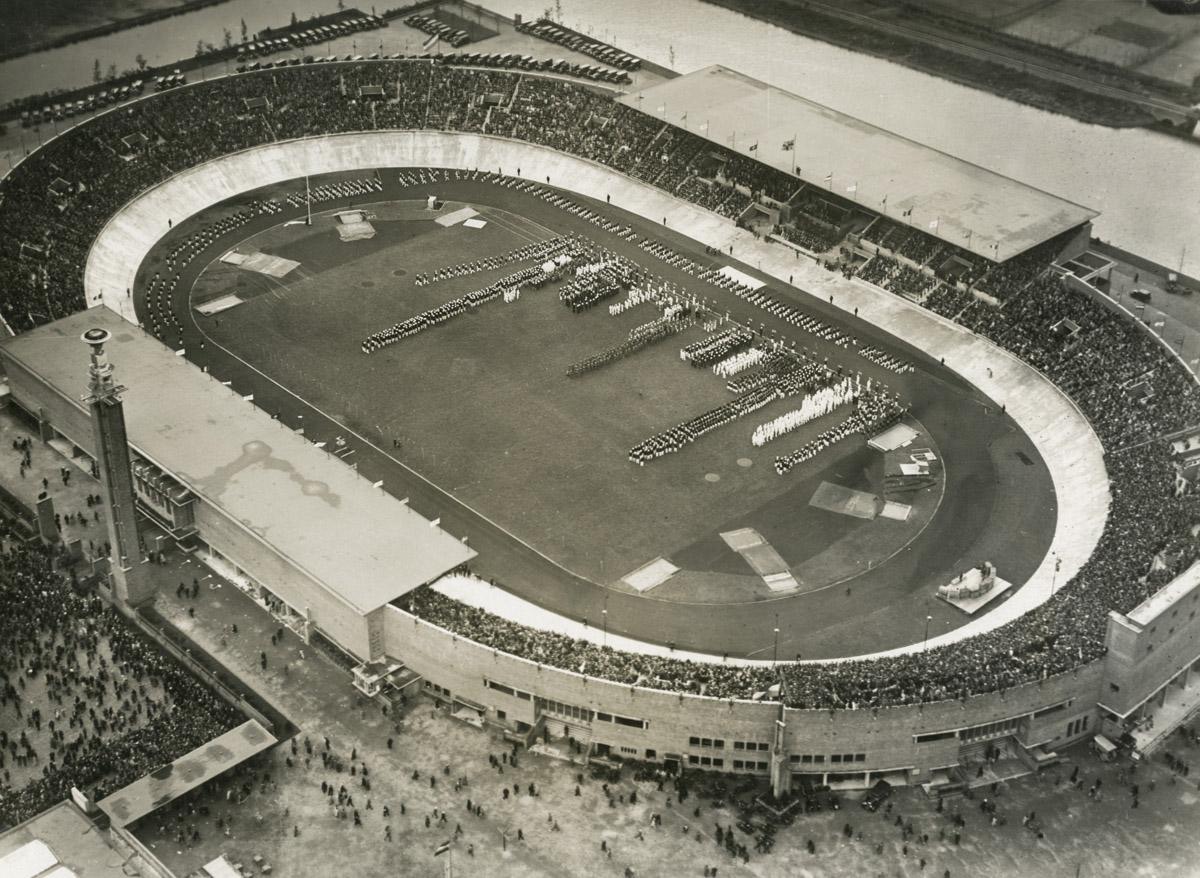
Two years before the first World Cup, Uruguay and Argentina had already met in a final. It happened at the Amsterdam 1928 Olympic Games, and it was the first Olympic final between two South American teams.
The road to the final
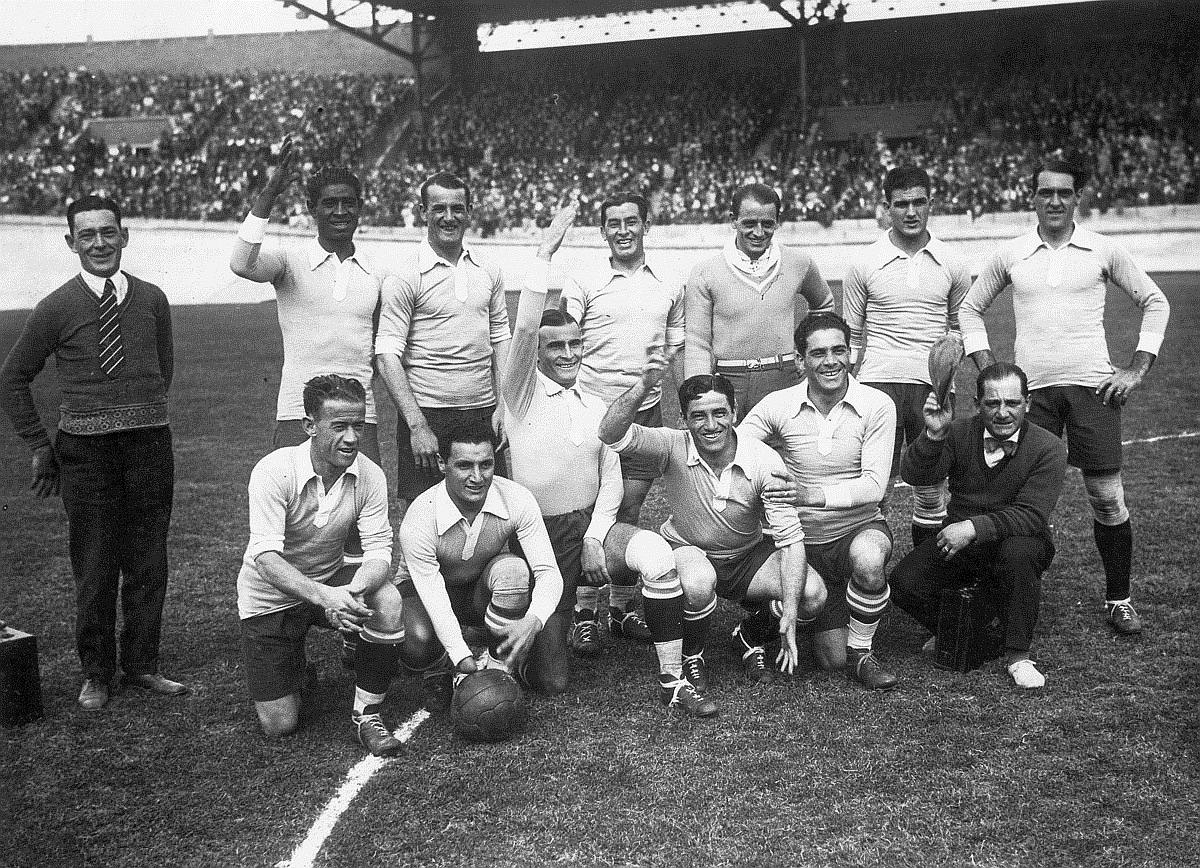
Uruguay arrived as Olympic champions from Paris 1924. In Amsterdam they beat the hosts, the Netherlands, 2 to 0, Germany 4 to 1, with a hat-trick from Pedro Petrone, and Italy 3 to 2 in the semi-final.
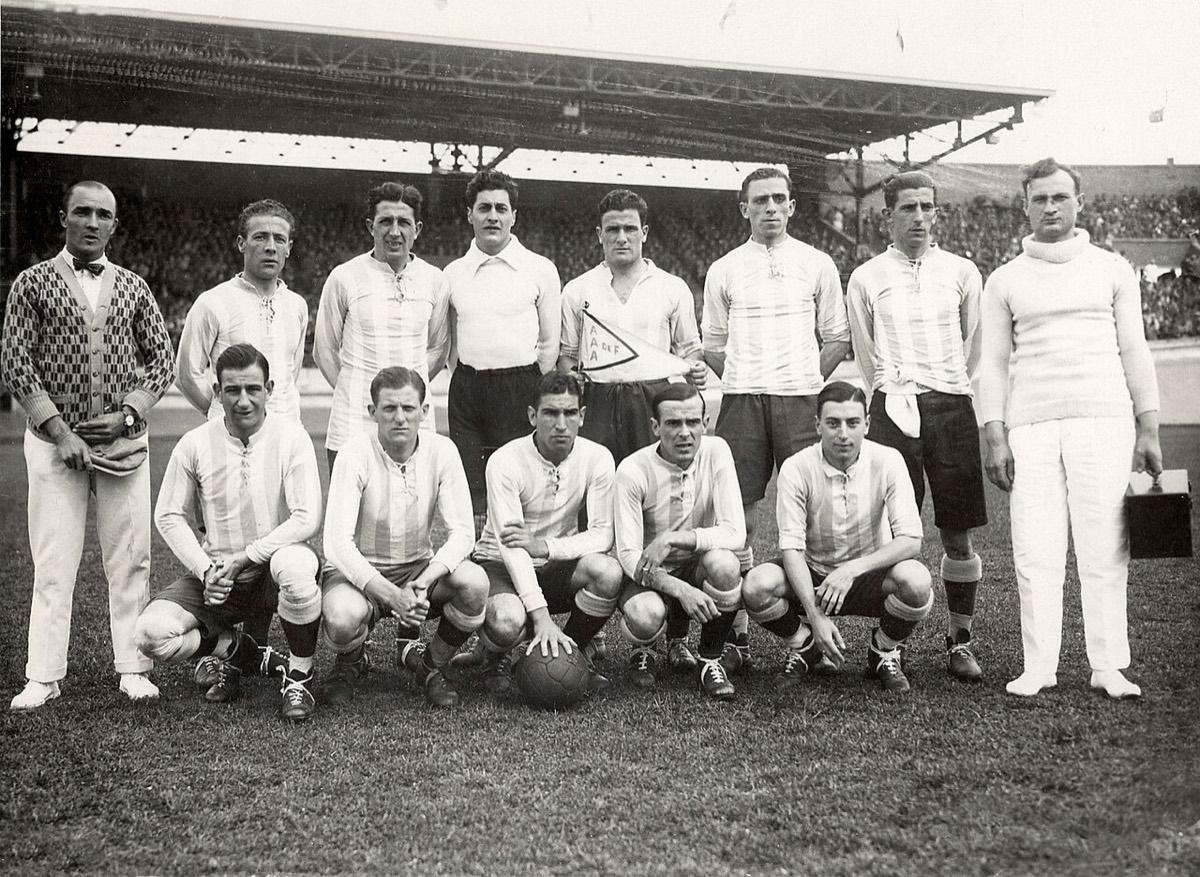
Argentina took a higher-scoring route: 11 to 2 against the United States, 6 to 3 against Belgium and 6 to 0 against Egypt in the semi-final. Domingo Tarasconi finished as the tournament's top scorer, with 11 goals.
A final played twice
The final was played on 10 June 1928 at the Olympisch Stadion (Olympic Stadium). Petrone put Uruguay ahead and Manuel Ferreira equalised for Argentina. It ended 1 to 1 after extra time, so it had to be played again.
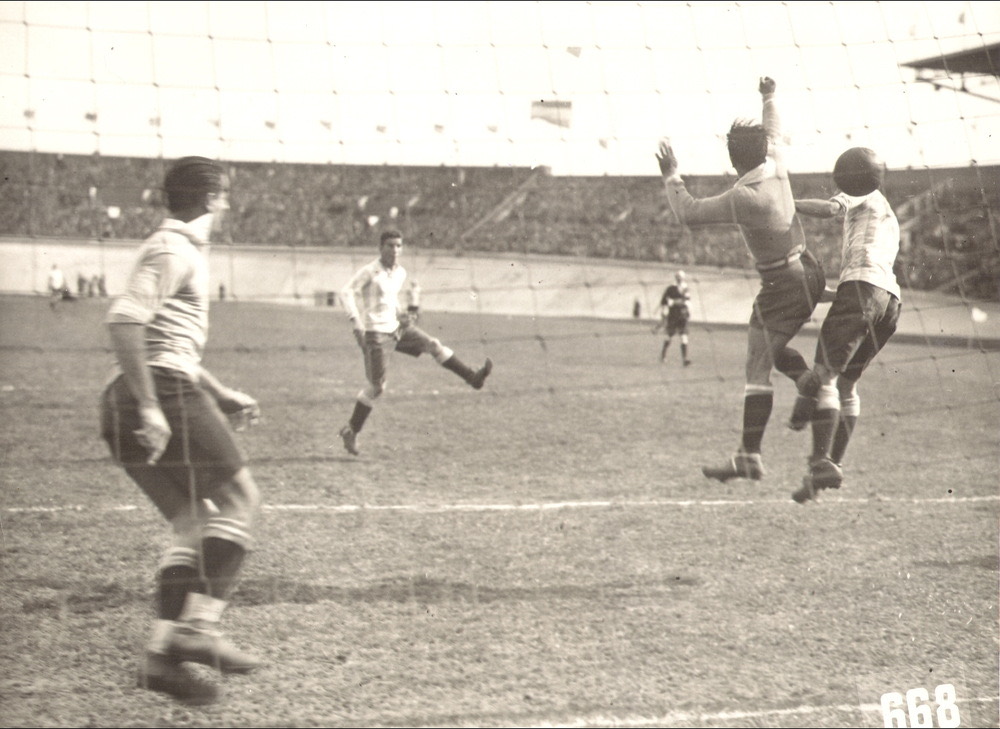
The replay came three days later, on 13 June, with the same referee, the Dutchman Johannes Mutters. Roberto Figueroa gave Uruguay the lead, Luis Monti levelled and Héctor Scarone scored the goal that made it 2 to 1. Uruguay had its second Olympic gold in a row.
Could you find the grounds of the 1928 champions on a map? Try it for free on GeoFútbol (in Spanish or Portuguese).
Why it matters
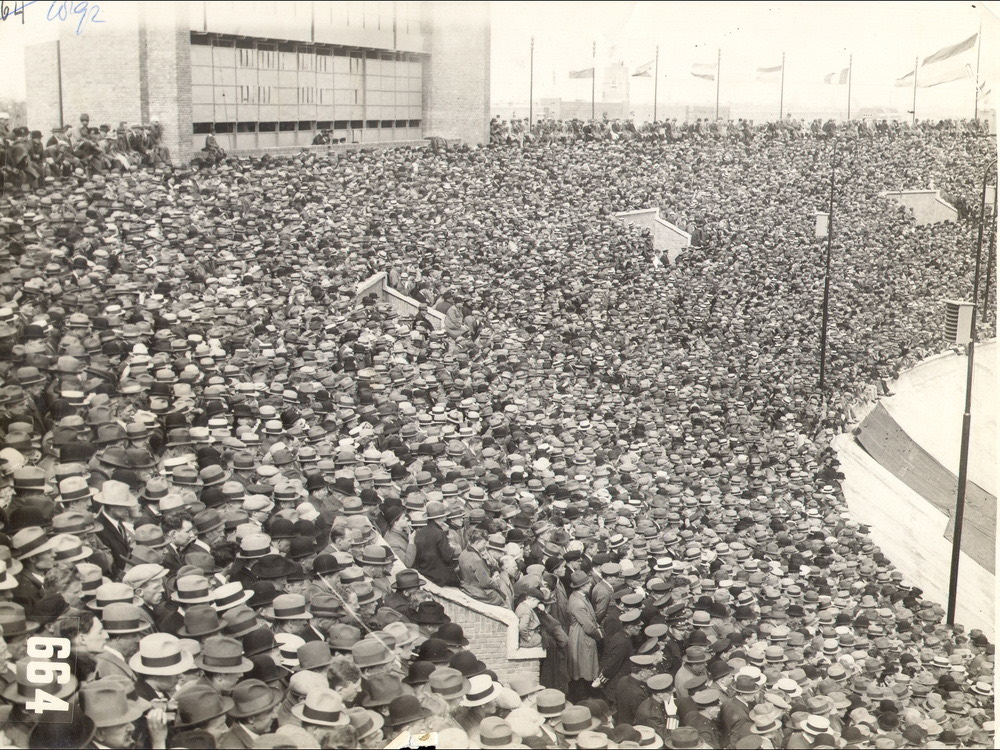
Those same Games changed football off the pitch too: in May 1928, in Amsterdam, the FIFA congress approved the creation of the World Cup. Two years later, the first World Cup final repeated the pairing: Uruguay beat Argentina 4 to 2 at the Estadio Centenario (Centenary Stadium).
The titles of 1924 and 1928 explain the four stars on Uruguay's shirt: two for the Olympic golds and two for the 1930 and 1950 World Cups. FIFA allows Uruguay to wear them. And at the Centenario, the Ámsterdam stand is named after this city, as we tell in our post on the Estadio Centenario.
The Olympic Stadium today
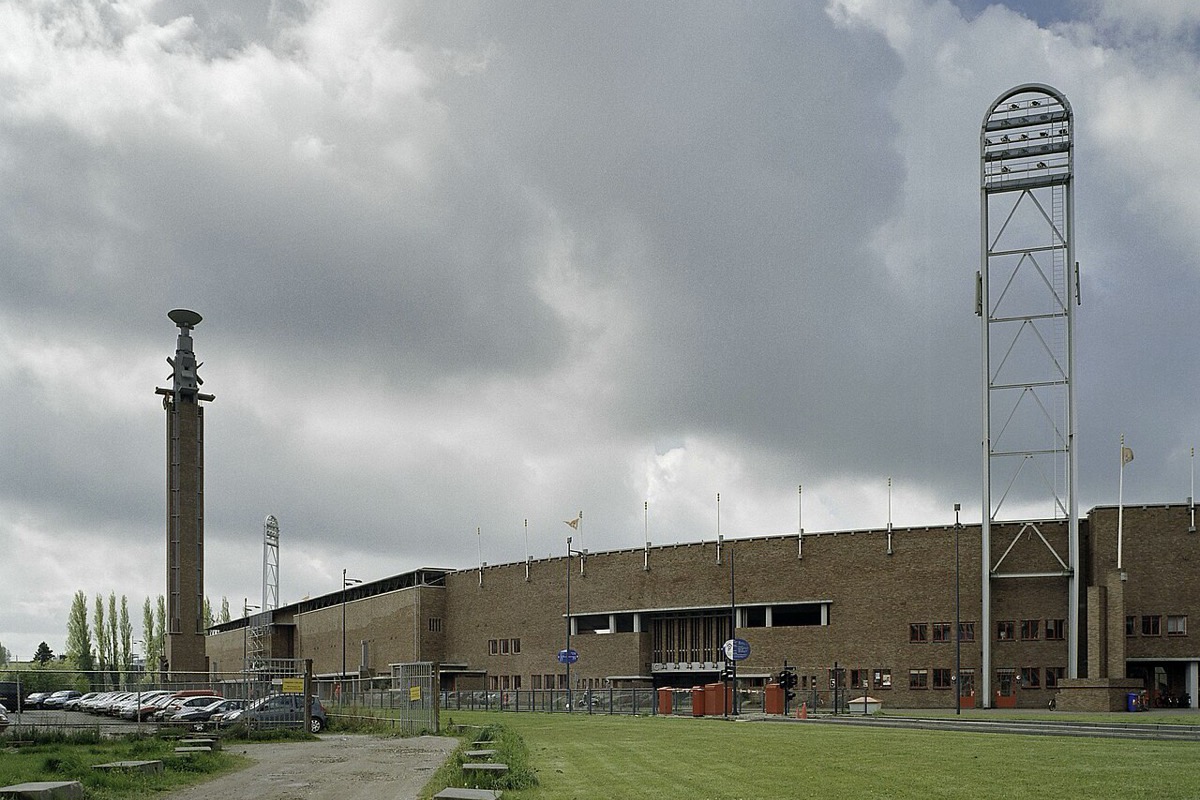
The stadium, designed by the architect Jan Wils, opened in 1928. Its Marathon Tower holds a piece of history: the first Olympic flame burned there. After a renovation it reopened in 2000. Today it hosts athletics and events, and it is the start and finish of the Amsterdam Marathon.
It stands on Stadionplein, in the south of the city, and tram 24 stops at Olympisch Stadion. Groups of five or more can ask for a guided tour.
Where to stay
In the accommodation map at the end of this post you will find options near the stadium, in the south of Amsterdam.
The Centenario, with its Ámsterdam stand, is one of the grounds that can come up in GeoFútbol. Play GeoFútbol today, it's free (in Spanish or Portuguese).