Blog ·
Estadio Centenario: the ground of the first World Cup final
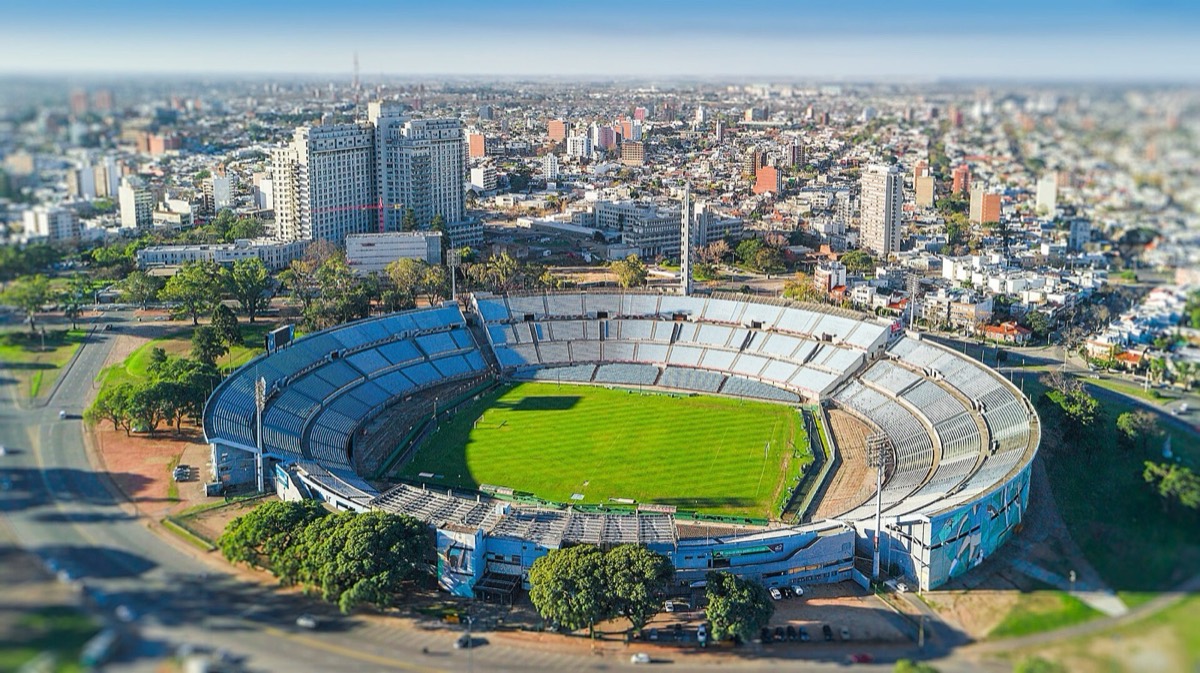
Few grounds can say they were there from day one. The Estadio Centenario (Centenary Stadium), in Montevideo, was built for the first World Cup in history, in 1930, and hosted the first final. Almost a century later it is still standing, still home to the Uruguay national team, and you can visit it even when there is no match.
A stadium built against the clock
The name commemorates the centenary of Uruguay's first Constitution, of 1830. It was designed by the Uruguayan architect Juan Antonio Scasso and opened on 18 July 1930, with Uruguay beating Peru 1-0. Rain delayed the construction, which is why the first matches of that World Cup were played at other grounds in the city.
In 1983 FIFA declared it a Historic Monument of World Football, a distinction no other stadium holds.
The first final: Uruguay 4, Argentina 2
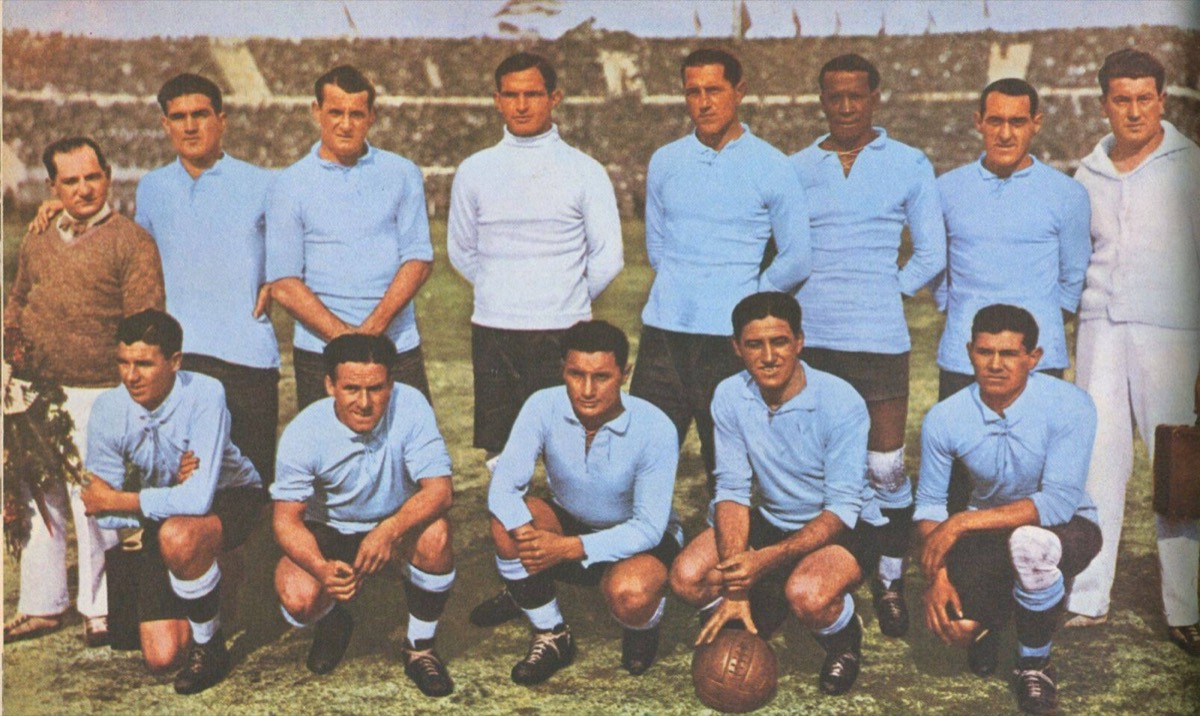
On 30 July 1930, Uruguay beat Argentina 4-2 and became the first world champions. Argentina went in at half-time 2-1 up, and in the second half the hosts turned the match around.
From that final comes one of football's most retold stories: both teams wanted to play with their own ball and there was no way to get them to agree. The solution, so the story goes, was worthy of Solomon: one half with the Argentine ball and the other with the Uruguayan one. Argentina won the first half; Uruguay, the second. Draw your own conclusions.
The stands and the Torre de los Homenajes
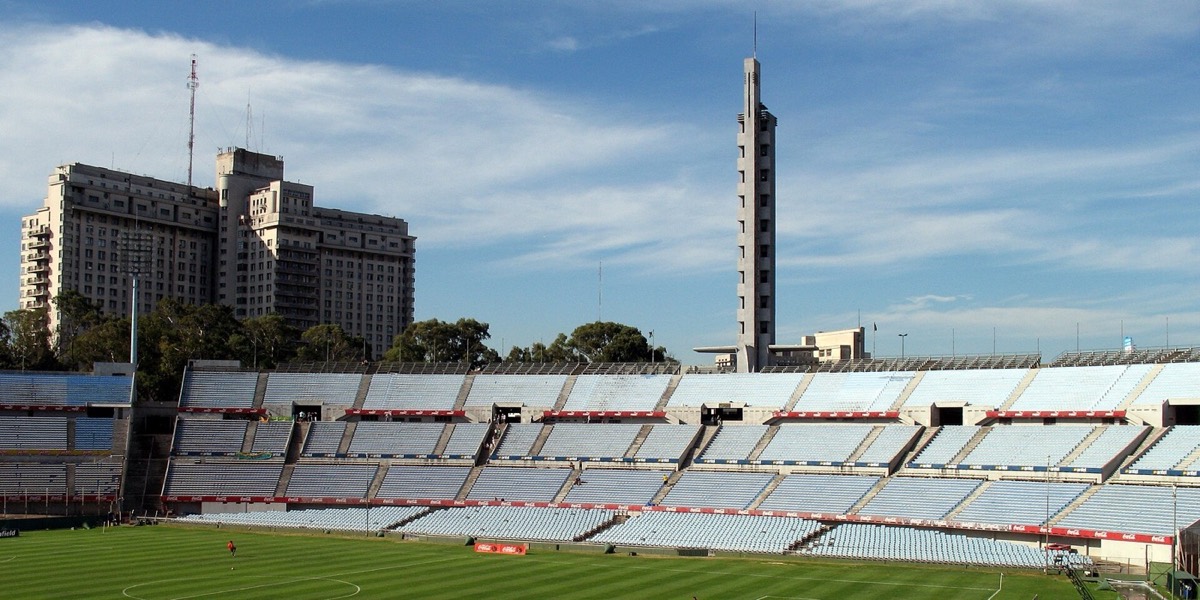
The stands tell the story of the national team before the World Cup. The Colombes is named after the French town where Uruguay won Olympic gold in 1924, and the Ámsterdam recalls the second gold, in 1928. The Olímpica pays tribute to both medals. Opposite is the América stand.
The stadium's symbol is the Torre de los Homenajes (Tower of Tributes), 100 metres tall. It has nine balconies, one for each stripe of the Uruguayan flag, and its shape evokes aeroplane wings and ships' bows, in tribute to the immigrants who came to the country.
Could you find the Centenario on a map with no names? Try it for free on GeoFútbol (in Spanish or Portuguese).
The Museo del Fútbol
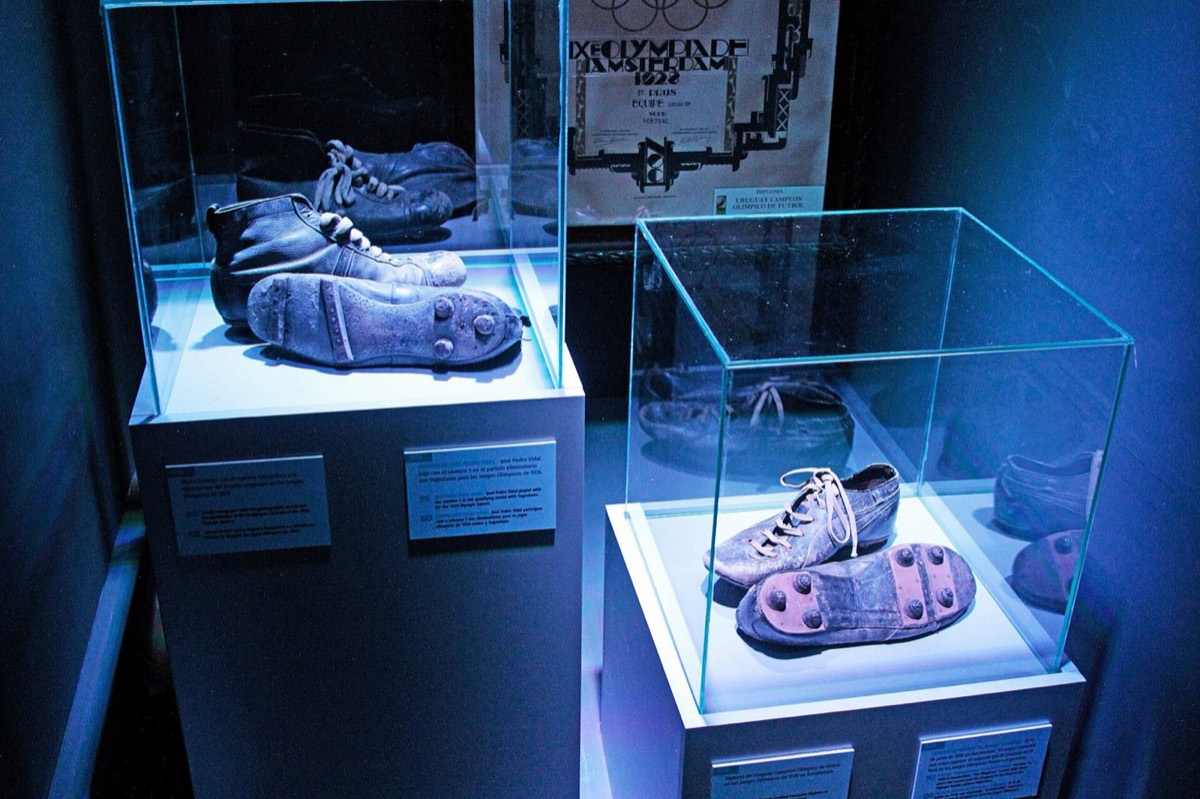
Beneath the Olímpica stand is the Museo del Fútbol (Football Museum), opened in 1975 and renovated in 2004, when a panoramic lift was added to the tower. It holds memorabilia from the two Olympic golds and the 1930 and 1950 World Cups. The entrance is on Avenida Dr. Américo Ricaldoni, on the Olímpica side. Opening hours and prices change, so check them on the stadium's official website before you go.
Parque Batlle and around
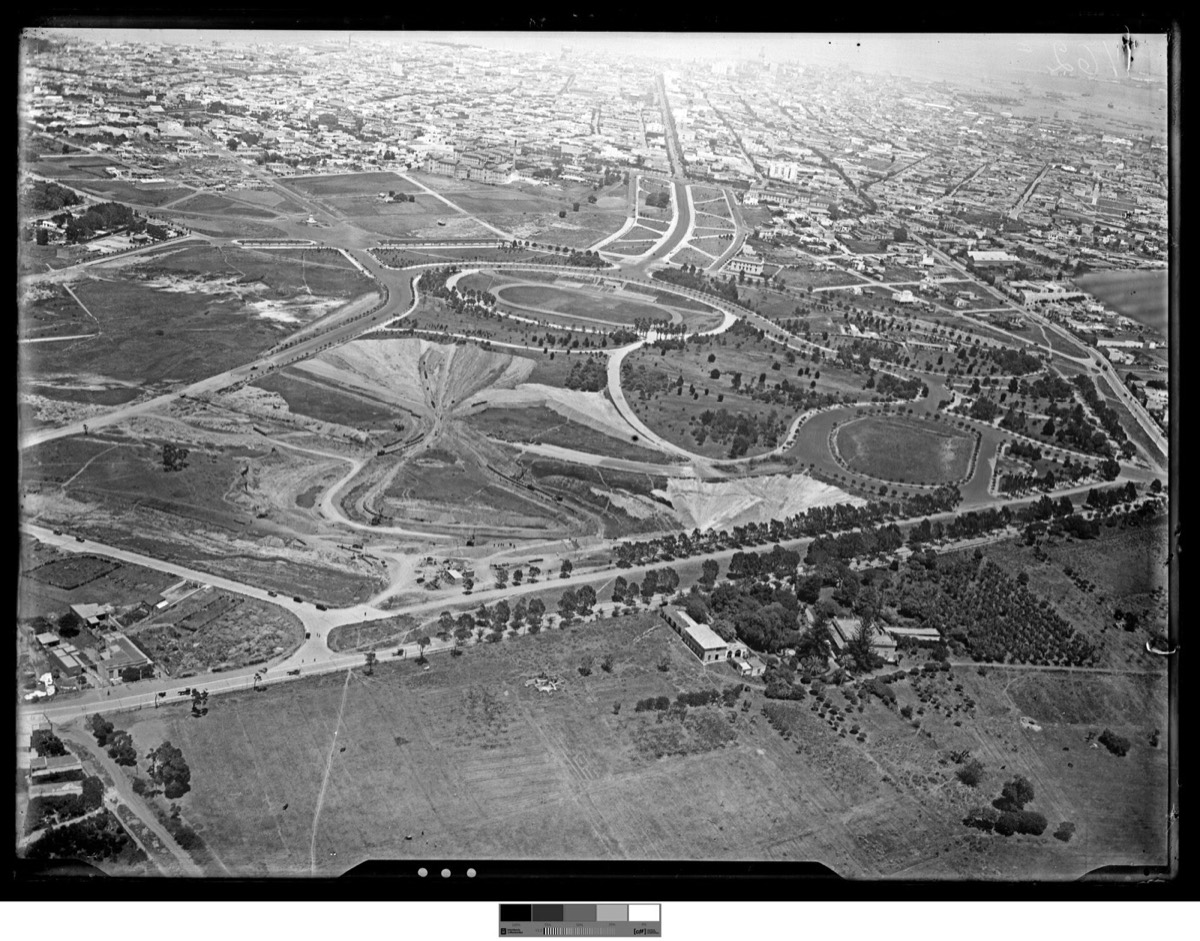
The stadium is in Parque Batlle, one of Montevideo's great green lungs, which also gives its name to the neighbourhood. From the centre you can get there by taxi, ride-hailing app or bus. The park has more sport to see: the Velódromo Municipal and an athletics track are also inside it.
Near the ground is La Carreta, José Belloni's bronze monument unveiled in 1934: an ox-drawn cart, in tribute to the 19th-century cart drivers. It is a good stop for photos after the museum.
The Centenario is one of the grounds that can come up in GeoFútbol, along with stadiums from all over Latin America. Play GeoFútbol today, it's free (in Spanish or Portuguese).