Blog ·
The history of the Copa Libertadores told through places
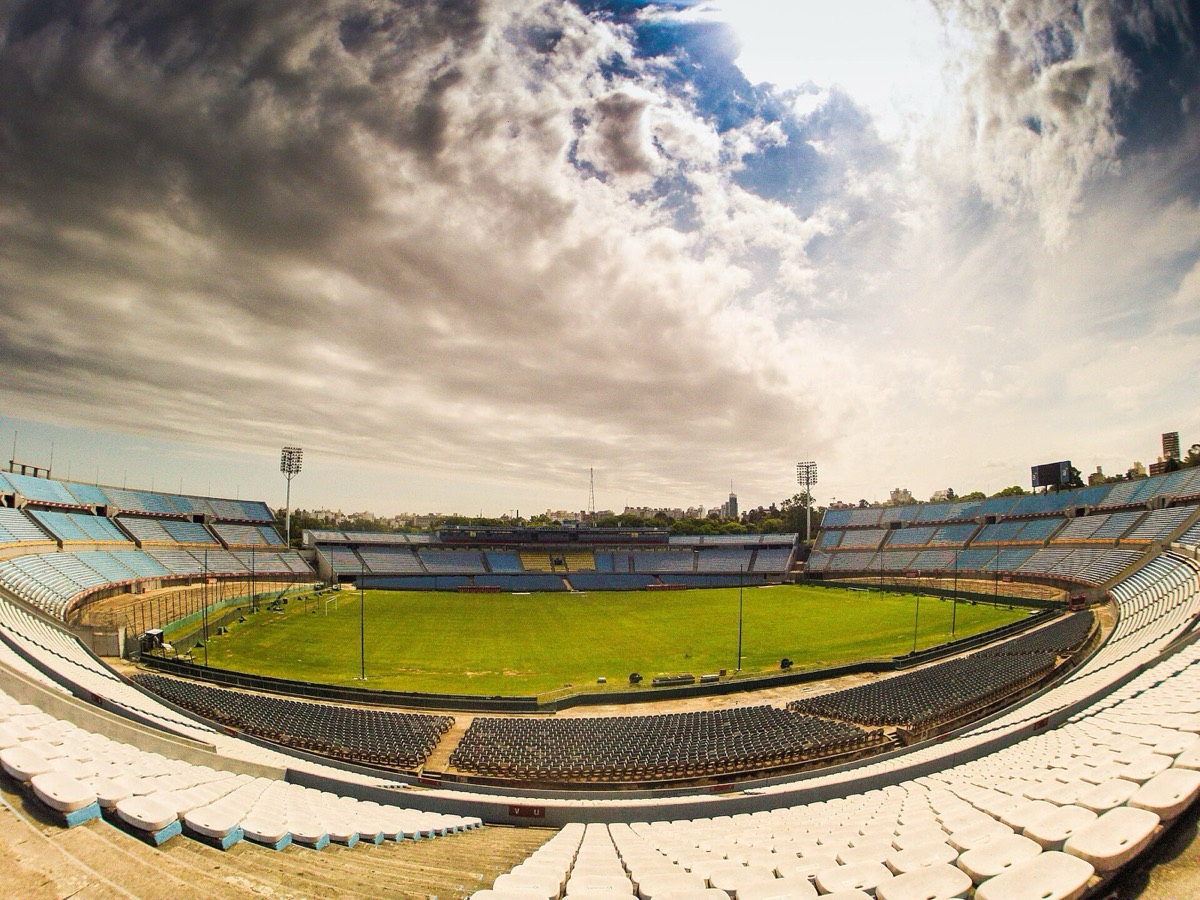
The Copa Libertadores can also be told with a map. These are some of the cities and grounds that shaped its history.
1960: it all began at the Centenario
The first edition was played in 1960, and it was not yet called the Libertadores: it was the Copa de Campeones de América (the Champions Cup of the Americas). Seven clubs from seven countries took part: Peñarol (Uruguay), San Lorenzo (Argentina), Bahía (Brazil), Jorge Wilstermann (Bolivia), Olimpia (Paraguay), Universidad de Chile and Millonarios (Colombia).
The first match was played at the Estadio Centenario (Centenary Stadium) on 19 April 1960, and Peñarol beat Jorge Wilstermann 7 to 1. In the final, Peñarol beat Olimpia 1 to 0 in Montevideo and drew 1 to 1 in Asunción: they were the first champions. The tournament's top scorer was Alberto Spencer, an Ecuadorian, with seven goals. His country would have to wait almost half a century to lift the trophy.
A name with history
In 1965 the tournament was renamed the Copa Libertadores de América, in honour of the heroes of South American independence, such as Simón Bolívar, José de San Martín and Pedro I of Brazil.
Avellaneda, capital of the cup
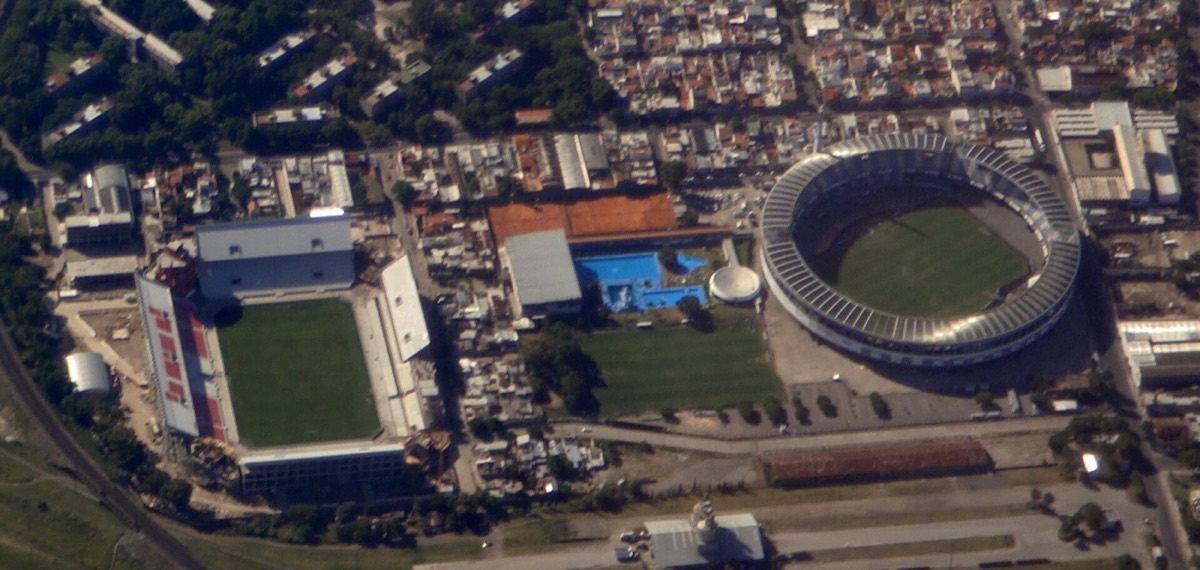
If you had to mark one city with a very large pin, it would be Avellaneda. Independiente is the club with the most titles, seven, which is why they are called the Rey de Copas (King of Cups). They won four in a row, between 1972 and 1975. By country, Argentina and Brazil were level on 25 titles each up to the 2025 edition.
Could you find Avellaneda, Manizales or Asunción on a map with no names? Try it for free on GeoFútbol (in Spanish or Portuguese).
Manizales and the Maracanã: the surprises
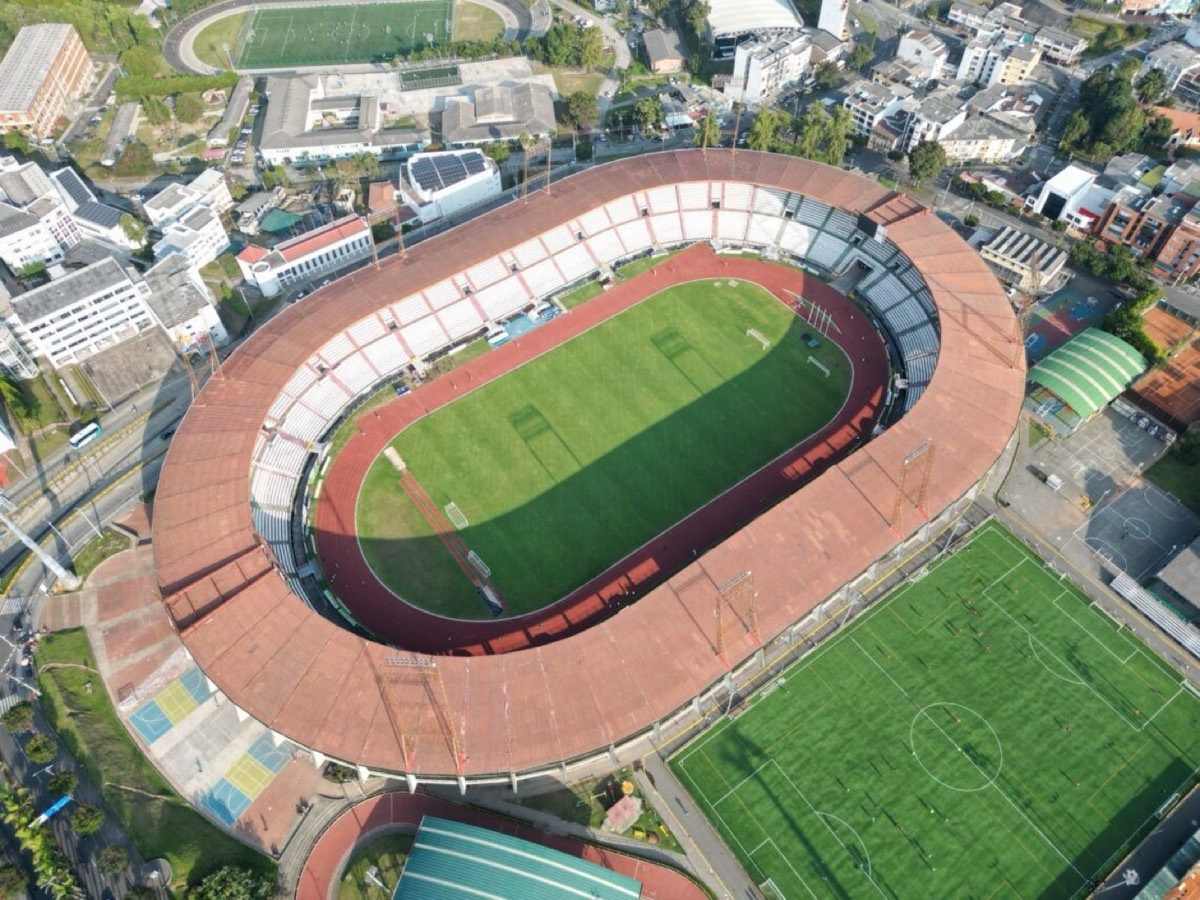
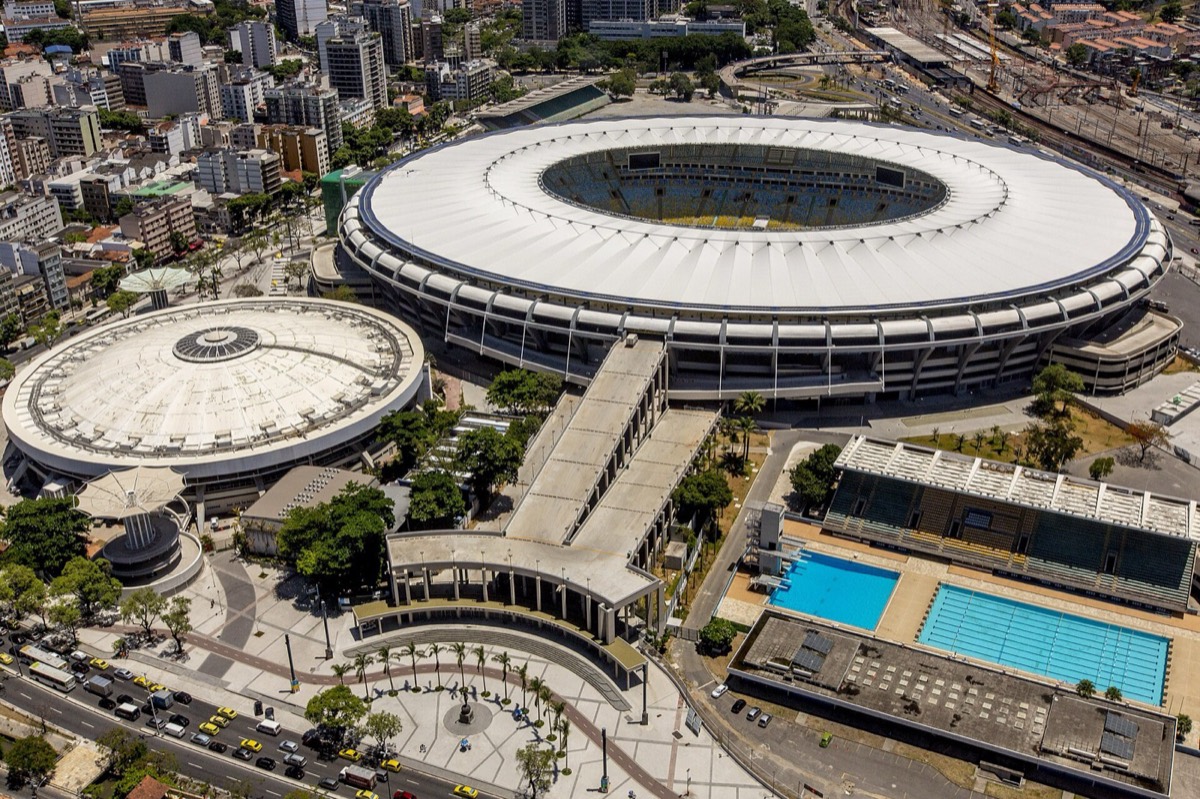
In 2004, Once Caldas drew 0 to 0 at La Bombonera (The Chocolate Box), and the second leg was played at the Estadio Palogrande (Palogrande Stadium) in Manizales, Colombia. It finished 1 to 1 and went to penalties: Boca missed all four of their kicks and Once Caldas won the shootout 2 to 0. Rarely has a penalty shootout been so short.
In 2008 the surprise came from Quito. Liga de Quito beat Fluminense 4 to 2 in the first leg and lost 3 to 1 at the Maracanã (Maracanã Stadium). In the shootout, their goalkeeper José Francisco Cevallos saved three, and Liga became the first Ecuadorian champions. Spencer, at last, had company.
Madrid 2018: the Libertadores, in Spain
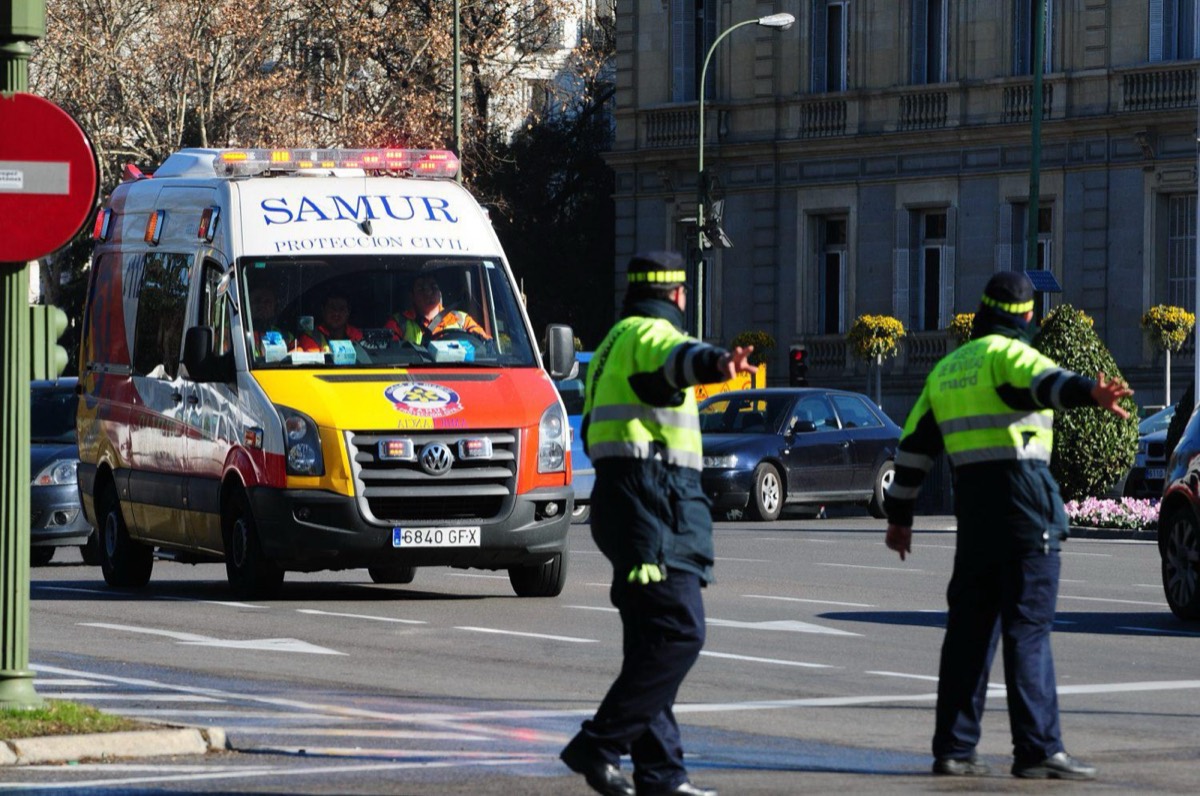
The 2018 final between River and Boca began with a 2 to 2 draw at La Bombonera. The second leg was due to be played at the Monumental (Monumental Stadium), but Boca's team bus was attacked on the way to the stadium and CONMEBOL moved the match to the Santiago Bernabéu in Madrid. River won 3 to 1 after extra time, on 9 December 2018. It is the only final ever played outside South America. A detail to make you smile: a cup that largely honours the heroes of independence from Spain was decided in the Spanish capital, of all places.
Lima and the single-match final
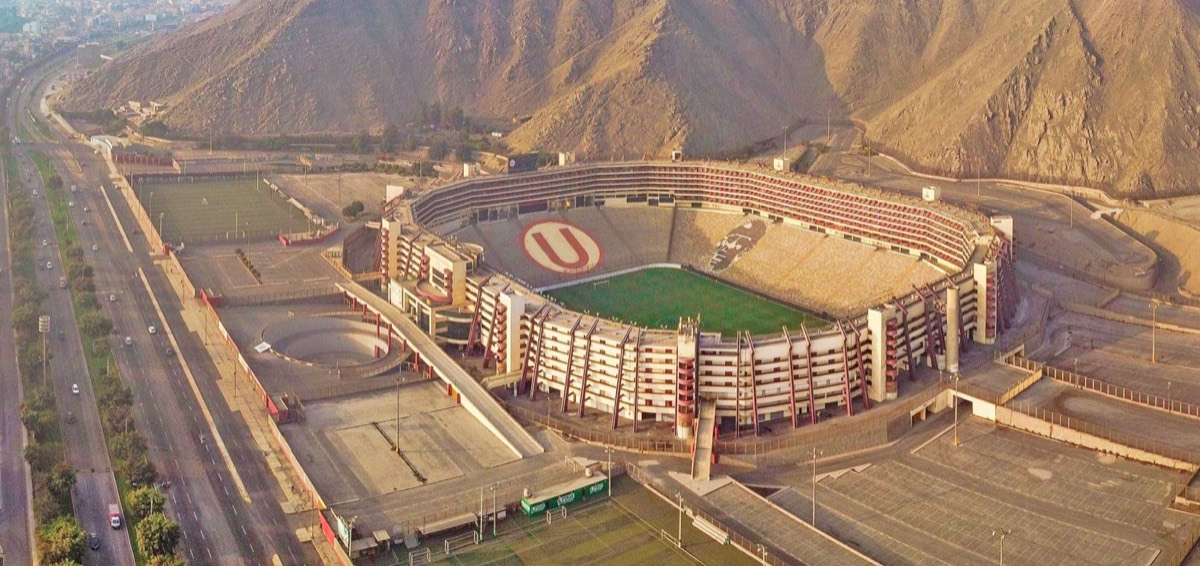
Since 2019 the final has been a single match. The first was meant to be in Santiago de Chile, but it moved to Lima because of the social unrest in Chile. At the Estadio Monumental (Monumental Stadium) in Lima, Flamengo beat River 2 to 1 with two late goals from Gabigol. Lima hosted again in 2025, when Flamengo beat Palmeiras 1 to 0 to win their fourth title.
2026: back to where it started
This year the story returns to where it began: the final is played at the Centenario. If you are thinking of travelling, our guide to the 2026 Libertadores final in Montevideo has all the practical details.
In the meantime, put your football map to the test. Play GeoFútbol today, it's free (in Spanish or Portuguese).