Blog ·
Where the first World Cup goal was scored: Pocitos, Montevideo
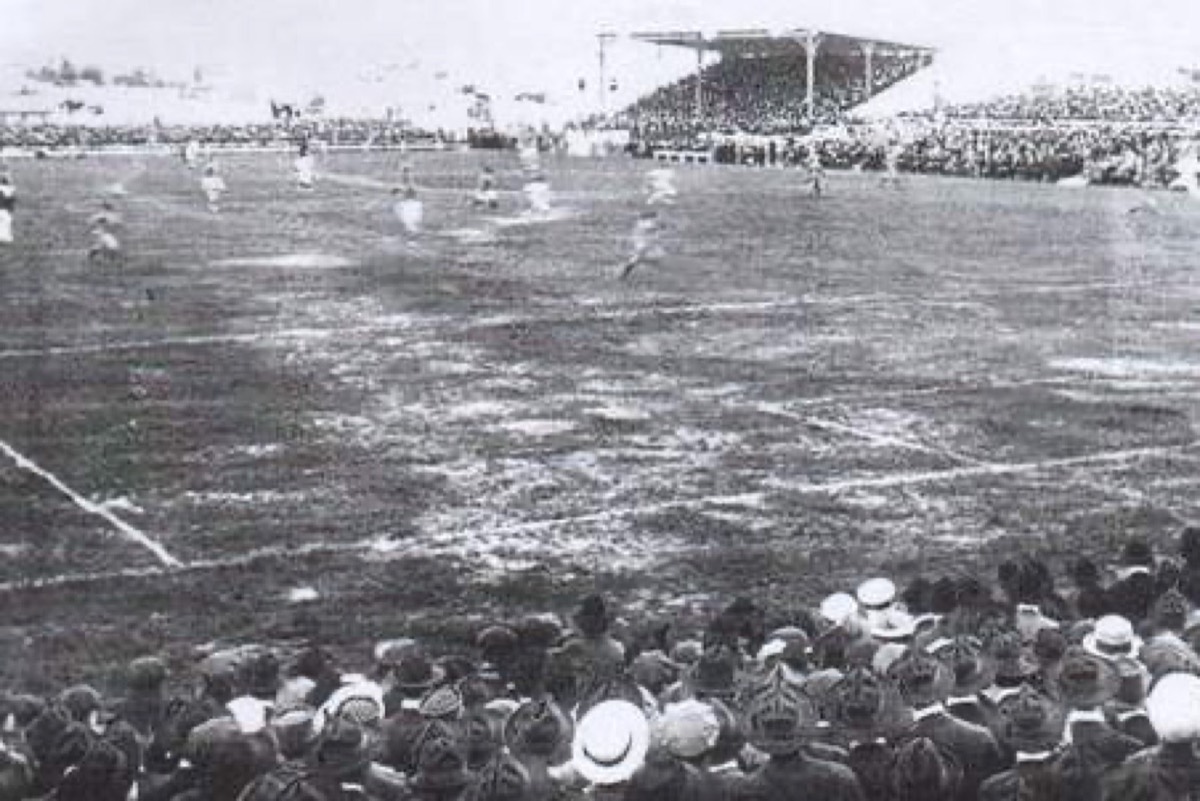
On 13 July 1930 the first World Cup in history kicked off in Montevideo, and it kicked off twice. Two matches were played at the same time: France against Mexico at the Estadio Pocitos (Pocitos Stadium), then Peñarol's home ground, and the United States against Belgium at the Gran Parque Central (Great Central Park), home of Nacional. One of those grounds vanished beneath a neighbourhood; the other is still open. You can visit both.
Lucien Laurent's goal
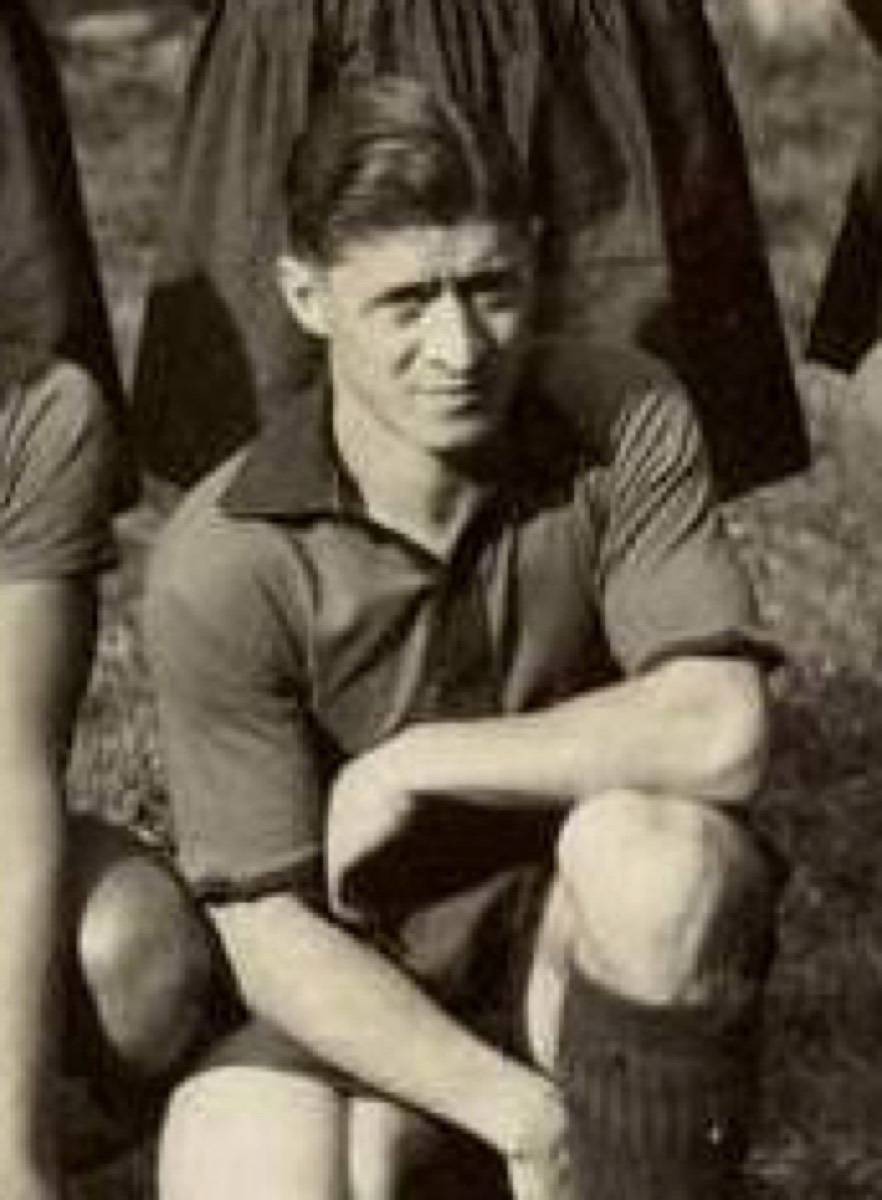
In the 19th minute, Frenchman Lucien Laurent volleyed in a cross and scored the first goal in World Cup history. France won 4 to 1. Laurent was an amateur who worked for Peugeot, whose team he played for. Years later he recalled that it was snowing that day, since it was the middle of winter in Uruguay, and that nobody celebrated it as historic: to him it was just another goal. That same day, at the Parque Central, the United States beat Belgium 3 to 0.
Wondering why it was not played at the Centenario (Centenary Stadium)? The answer is in our piece on the Estadio Centenario.
What stands today where the Estadio Pocitos used to be
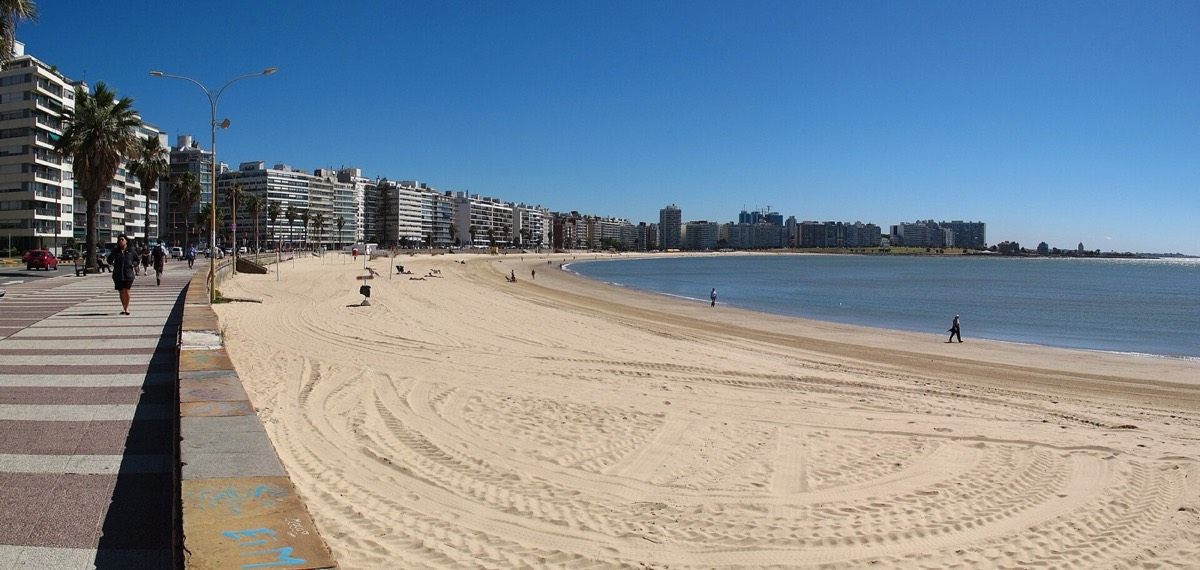
The Estadio Pocitos opened in 1921 and Peñarol played there until 1933, when the club moved to the Centenario. Montevideo grew in that direction, streets were laid across the pitch in the late 1930s and the stadium was demolished. Today it is a middle-class residential neighbourhood, and for decades nobody knew exactly where that first goal had been scored.
Early this century, the Uruguayan architect Héctor Enrique Benech found it by comparing old aerial photographs with municipal plans. A competition with a film-worthy name followed, "En busca del arco perdido" (Raiders of the Lost Goal), won by architect Eduardo Di Mauro with two sculptures. One marks the centre of the pitch and is called "Cero a cero y pelota al medio" (nil-nil, ball on the centre spot). The other marks the goal and is called "Donde duermen las arañas" (where the spiders sleep), which is what people in the Río de la Plata call the top corner. The exact spot of the first World Cup goal ended up outside the door of a laundrette. Few laundrettes on earth can boast such a CV.
How to find it
Head to Pocitos and look for Coronel Alegre street, between Silvestre Blanco and Charrúa. The sculptures stand on the pavement, in plain view of passers-by. The centre of the old pitch lined up with the corner of Charrúa and Coronel Alegre.
Could you place the World Cup grounds on a map? Try it for free on GeoFútbol (in Spanish or Portuguese).
The Gran Parque Central, still standing
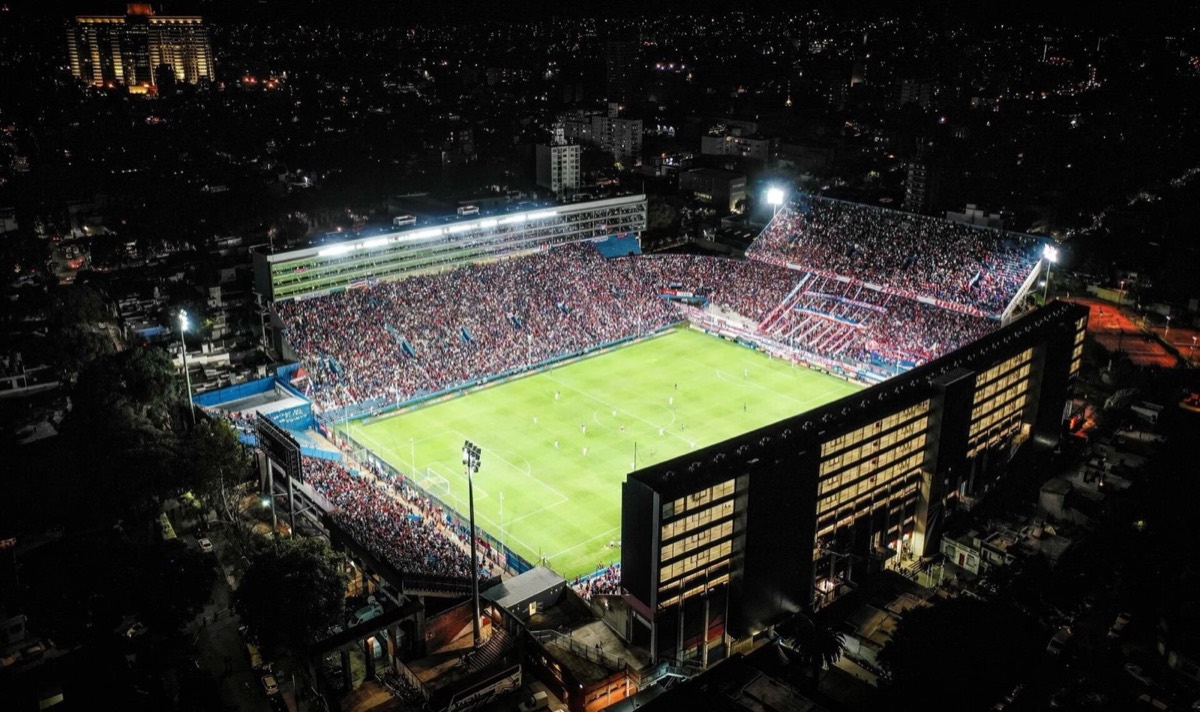
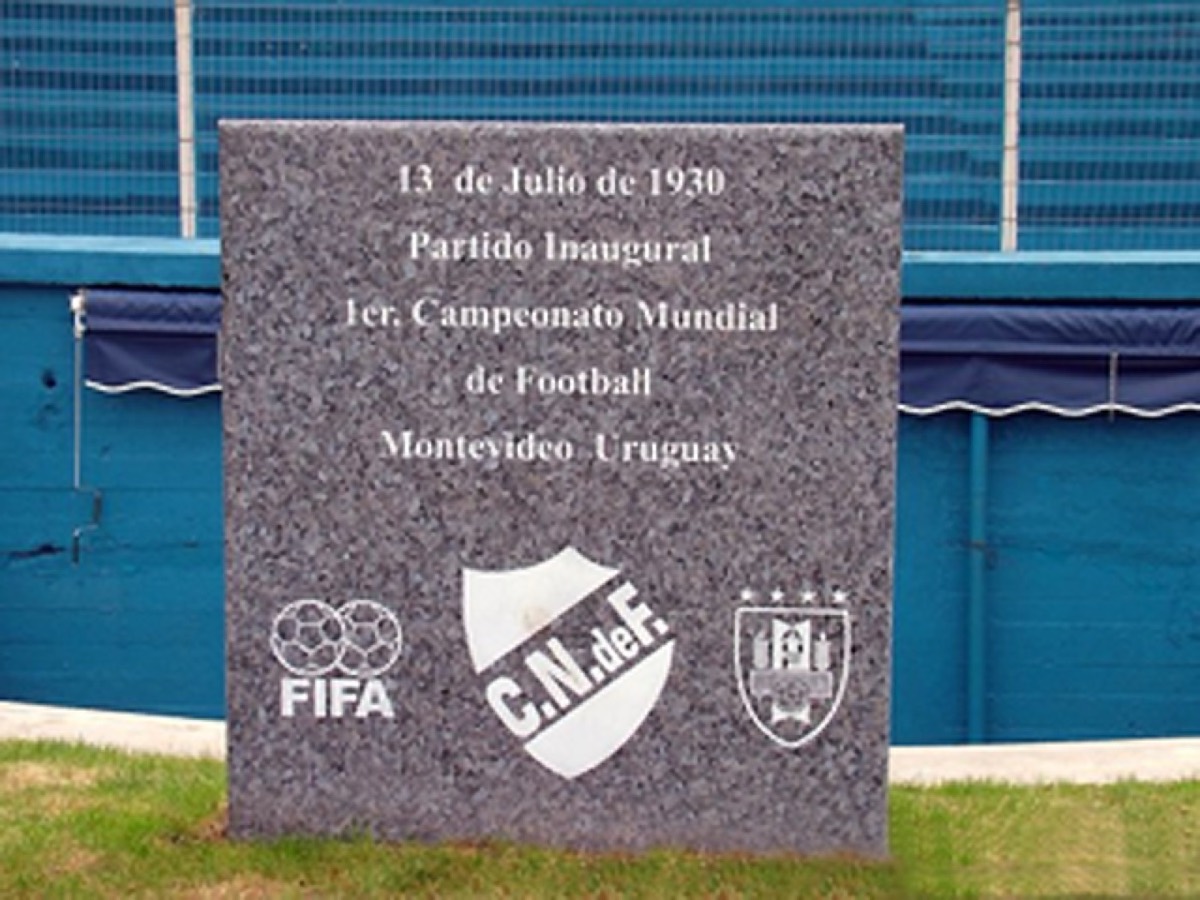
Nacional's stadium opened in 1900 and sits in La Blanqueada. In 2005 FIFA placed a plaque there commemorating the first match in World Cup history. The land has an even older story: it was the Quinta de la Paraguaya, where José Gervasio Artigas was recognised as leader of the Orientales in 1811.
Nacional runs guided visits, the Paseo del Parque, in Spanish and English. The tour takes in the tunnel, the dressing rooms, the substitutes' bench and an exhibition devoted to the 1930 World Cup. Dates depend on the club's calendar.
The Parque Central also lays claim to another first. Prudencio Miguel Reyes, who pumped up Nacional's balls in the early 20th century, used to shout his support during matches. Because he "inflated" (hinchaba) the balls, they called him the hincha, and the word ended up naming every football fan.
Do you know where the first World Cup goal was scored? Play GeoFútbol today, it's free (in Spanish or Portuguese).