Blog ·
La Plata, the city of Estudiantes and their Libertadores titles
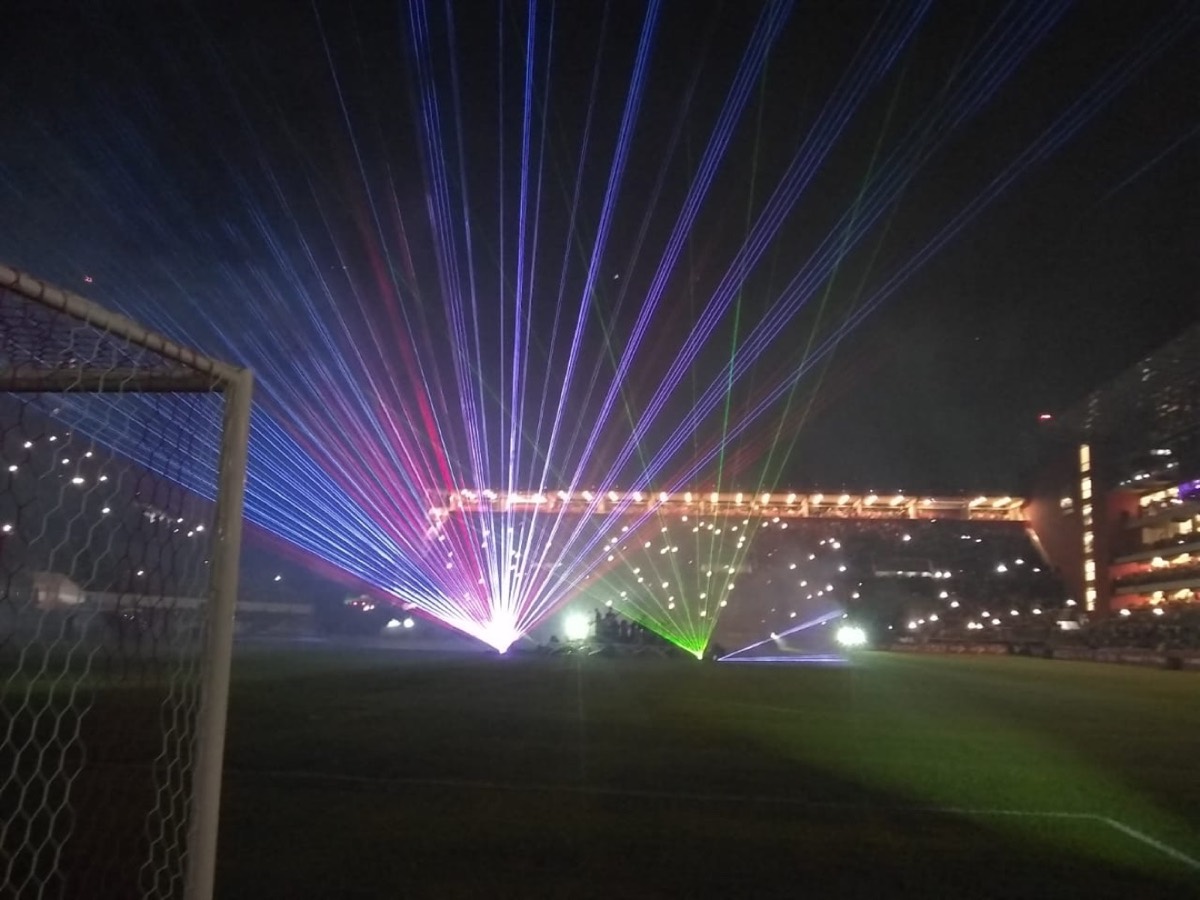
Some 50 or 60 kilometres south-east of Buenos Aires lies a city that looks as if it were drawn with a ruler. La Plata was founded on 19 November 1882, on the initiative of governor Dardo Rocha, to be the capital of Buenos Aires province. It is also the home of Estudiantes, the club that won three Copas Libertadores in a row.
A city built with a set square
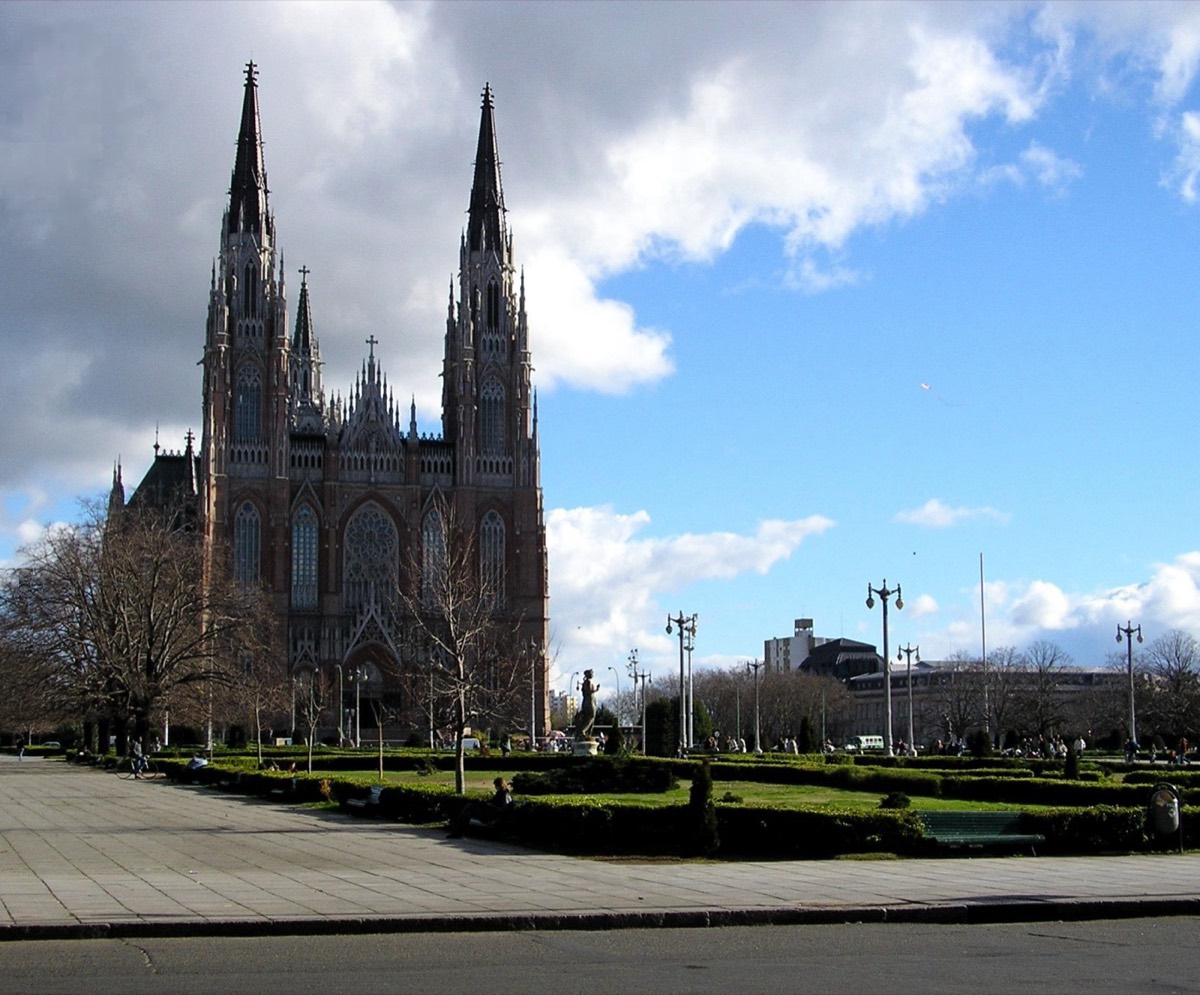
La Plata was planned from the start: a large square of blocks, streets with numbers instead of names, and diagonal avenues cutting across it from corner to corner. In theory, it is impossible to get lost. In practice, the diagonals are known for delivering visitors, very sure of their sense of direction, back to the same square they left a good while earlier. If you are going to the match, a friendly tip: trust the numbers, not your instincts.
The neo-Gothic cathedral faces Plaza Moreno. The Paseo del Bosque is home to the Museo de La Plata, a natural history museum. And the Casa Curutchet bears a famous signature: that of Le Corbusier.
1968, 1969, 1970: three in a row
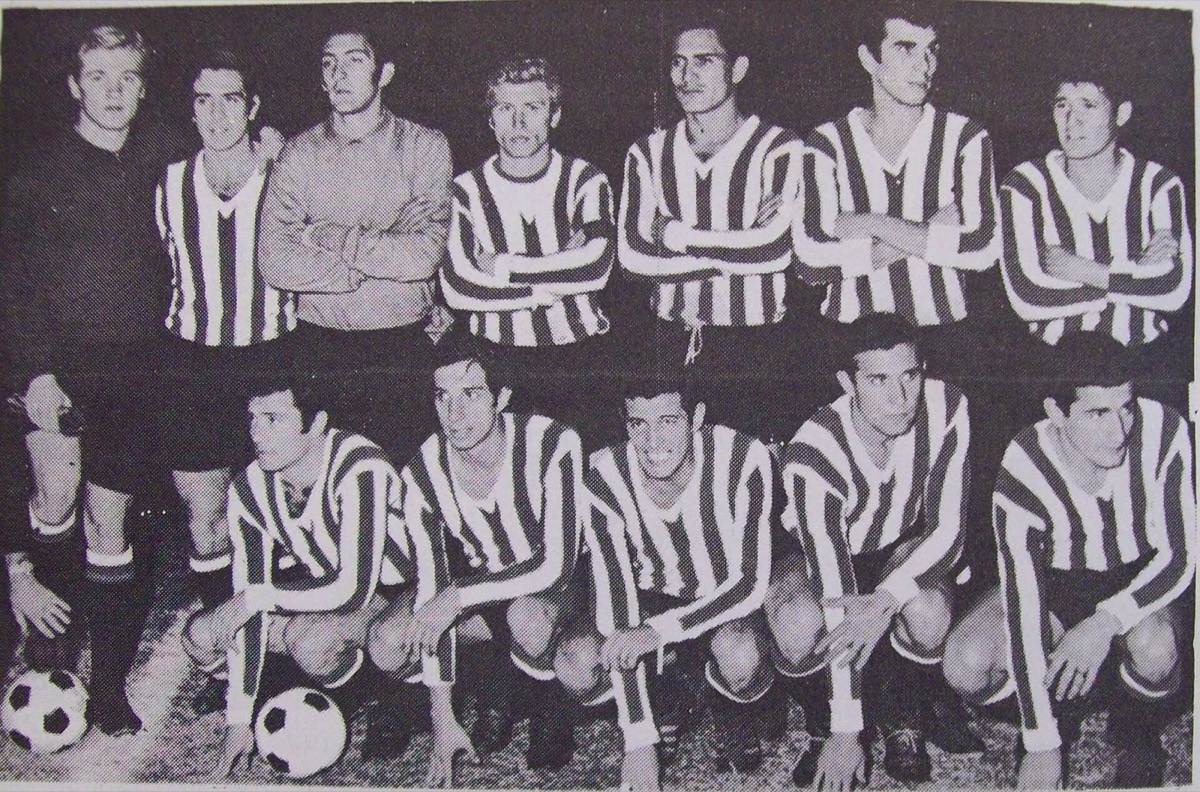
Estudiantes won the final against Palmeiras in 1968, Nacional in 1969 and Peñarol in 1970. The third was sealed with a 0 to 0 draw at the Estadio Centenario (Centenary Stadium) in Montevideo. If you want the full map of the cup, it is in the history of the Copa Libertadores told through places.
In 1968 Estudiantes were also crowned world champions against Manchester United: they won 1 to 0 in the first leg and drew 1 to 1 at Old Trafford. The goal in England was scored by Juan Ramón Verón, known as "la Bruja" (the Witch).
The story has a family sequel. In 2009 his son, Juan Sebastián Verón, "la Brujita" (the Little Witch), won the club's fourth Libertadores: 0 to 0 in La Plata and 2 to 1 against Cruzeiro at the Mineirão (Big Mineiro) in Belo Horizonte. In La Plata, it seems, cups are also inherited.
Could you find La Plata, Belo Horizonte and Old Trafford on a map with no names? Try it for free on GeoFútbol (in Spanish or Portuguese).
The UNO, in the woods
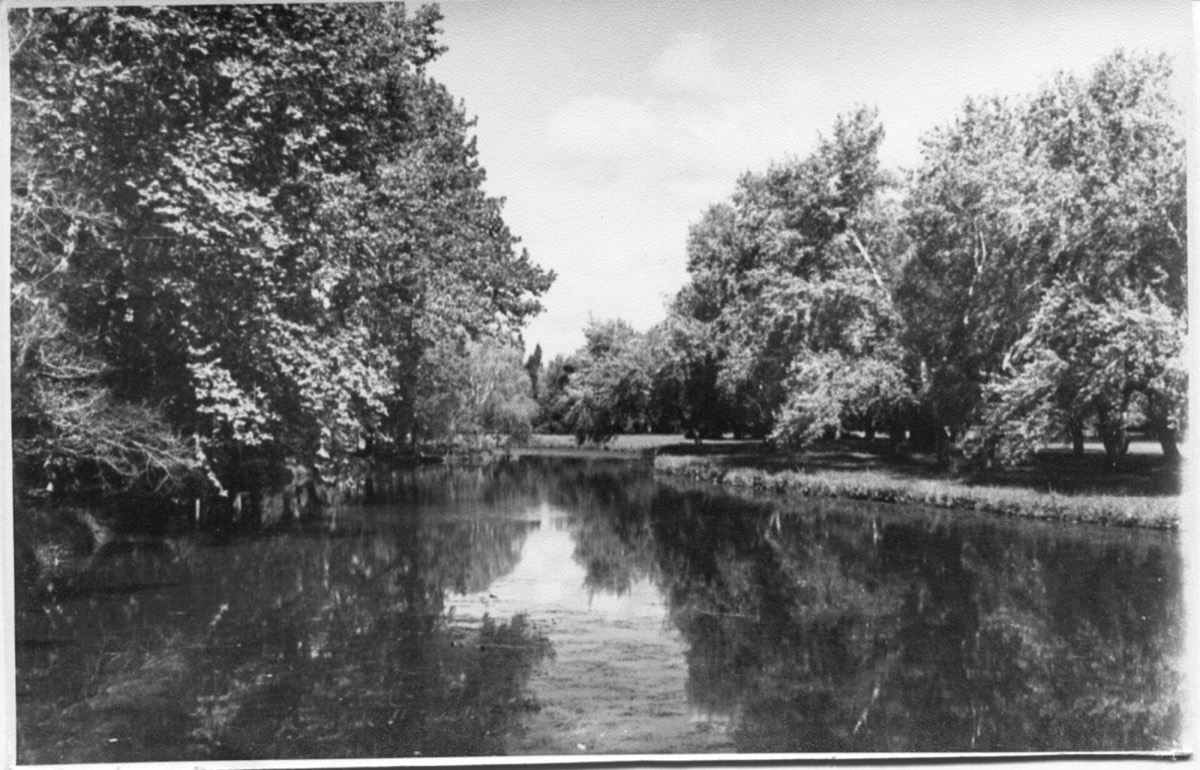
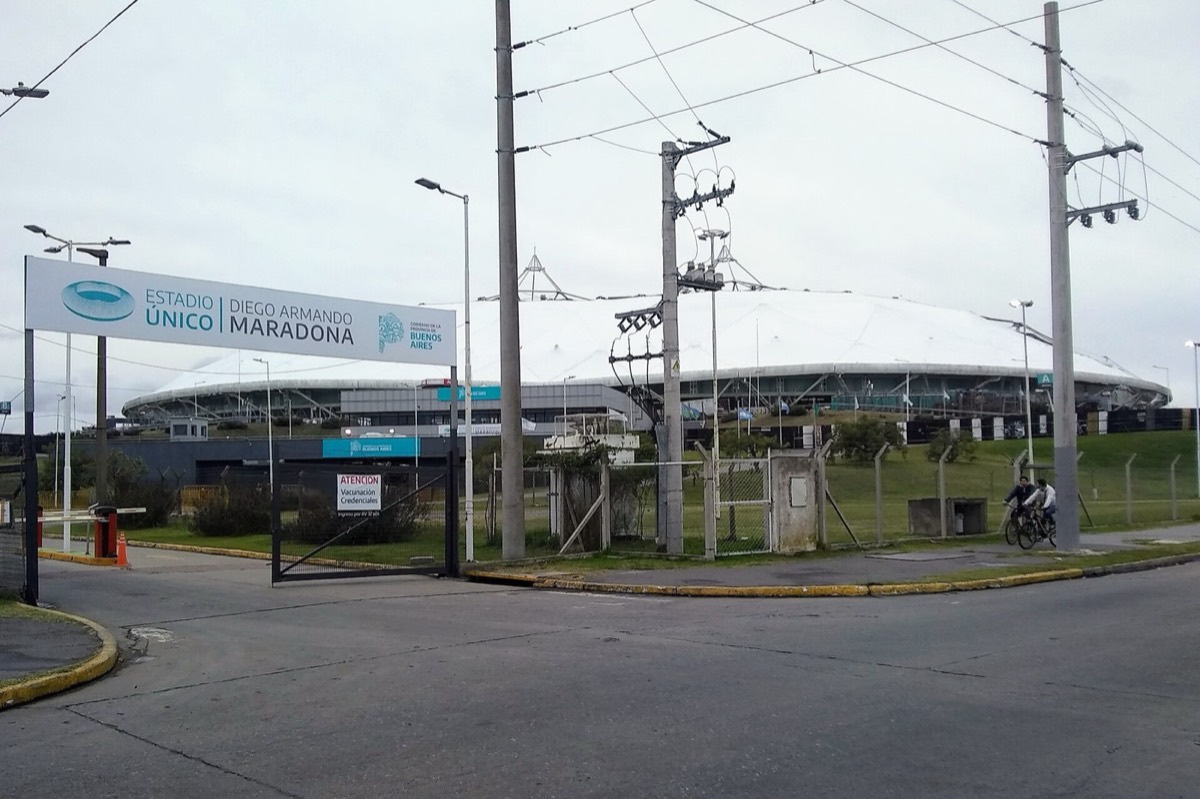
Estudiantes play at the Estadio Jorge Luis Hirschi (Jorge Luis Hirschi Stadium), known as the UNO (One), on Avenida 1, inside the Paseo del Bosque. At least the address is easy to remember. The stadium closed in 2005, and for years the club played at the Estadio Único de La Plata (La Plata Single Stadium), which in 2020 was renamed after Diego Armando Maradona. The UNO reopened, rebuilt, in November 2019.
The lifelong rival is close by. Gimnasia y Esgrima play at the Estadio Juan Carmelo Zerillo (Juan Carmelo Zerillo Stadium), also in the Paseo del Bosque and known, fittingly, as "el Bosque" (the Woods). It is a derby between neighbours in the same park.
2026: semi-final against Flamengo
As of early October, Estudiantes are the only Argentine club among the four Libertadores semi-finalists. They reached that stage for the first time in 17 years after knocking out Corinthians. The first leg against Flamengo is scheduled for 15 October at the UNO, and the second leg for 22 October at the Maracanã (Maracanã Stadium). If they reach the final, the destination is already known: our guide to the 2026 Libertadores final in Montevideo has all the practical details.
Getting there from Buenos Aires
There are two classic routes: the Roca line train, which links Constitución with La Plata, and the Buenos Aires-La Plata motorway.
Fancy finding the Libertadores grounds on a map? Play GeoFútbol today, it's free (in Spanish or Portuguese).