Blog ·
The lost stadiums of Buenos Aires
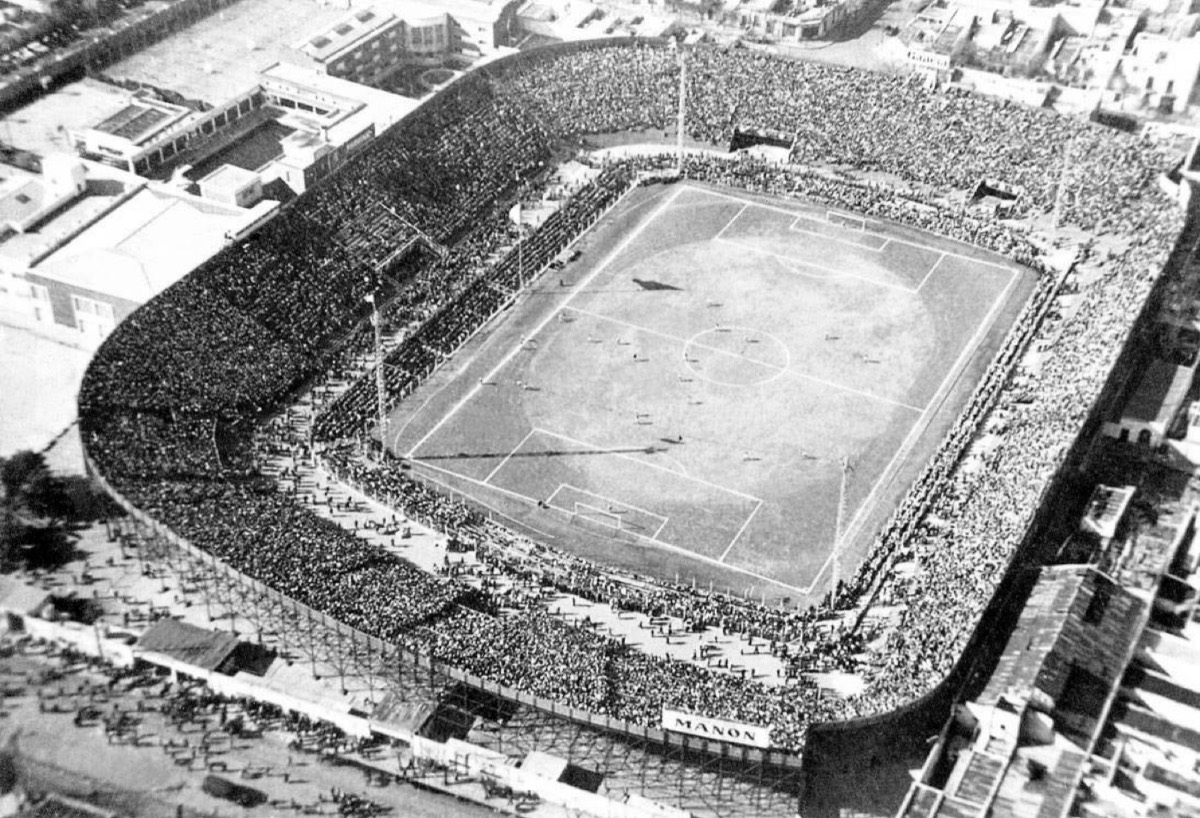
Buenos Aires has its famous stadiums, but it also has ghost grounds. Beneath squares, supermarkets and houses lie the stands of other eras. Here are five of them, and what you will find in their place today.
El Viejo Gasómetro (San Lorenzo)
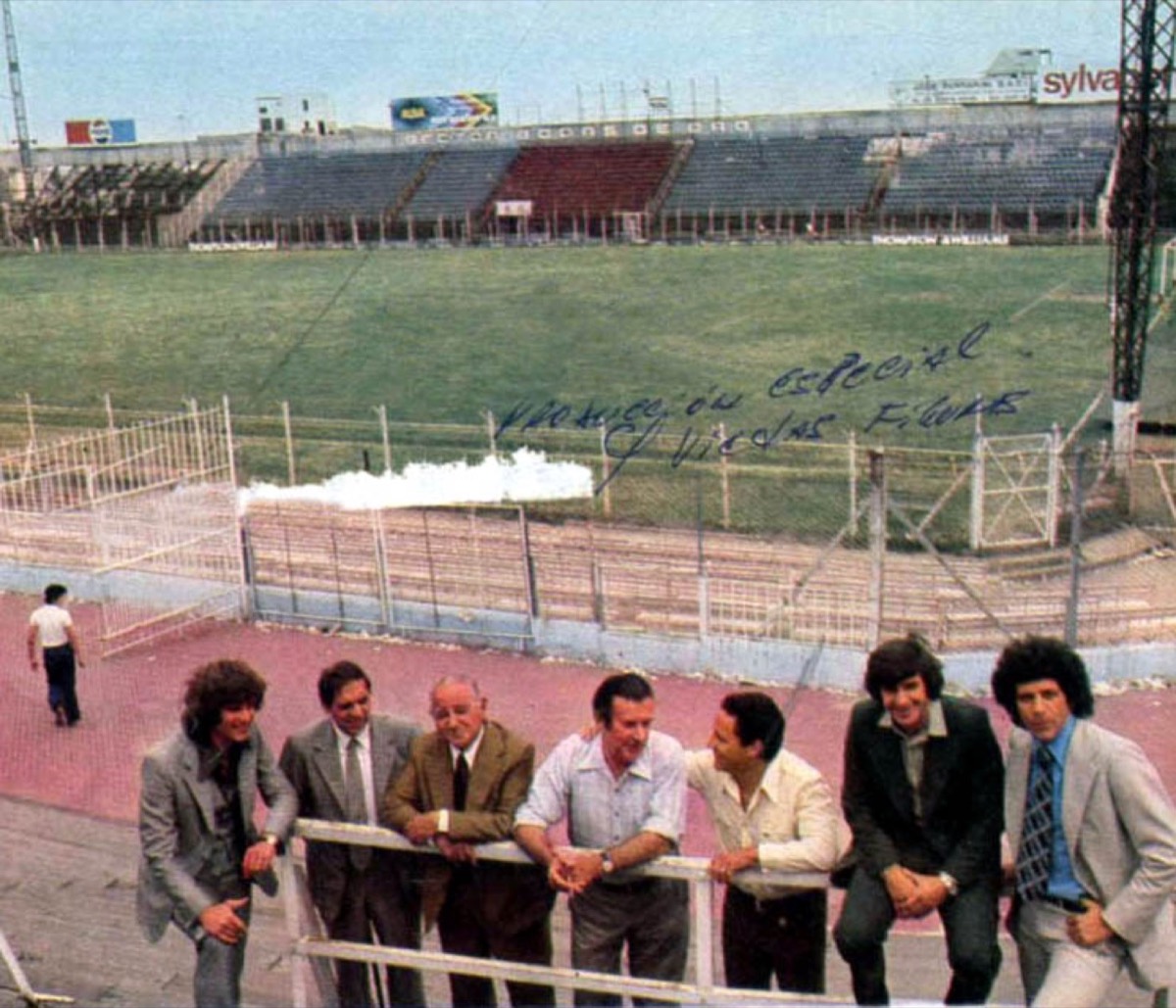
It stood on Avenida La Plata, in Boedo. It opened in 1916 and the last match was played there on 2 December 1979, against Boca. With the club in crisis, the land was sold, and for years a Carrefour hypermarket operated on the site. When the ground closed, fans carried off planks, bolts and even turf as souvenirs.
In 2012 the Buenos Aires city legislature passed the Historic Restitution Law, and in May 2026 the club announced that it had recovered the entire plot. It has ten years to complete at least 20% of the new stadium. In the meantime, San Lorenzo plays at the Nuevo Gasómetro (New Gasometer), in Bajo Flores.
Alvear y Tagle (River Plate)
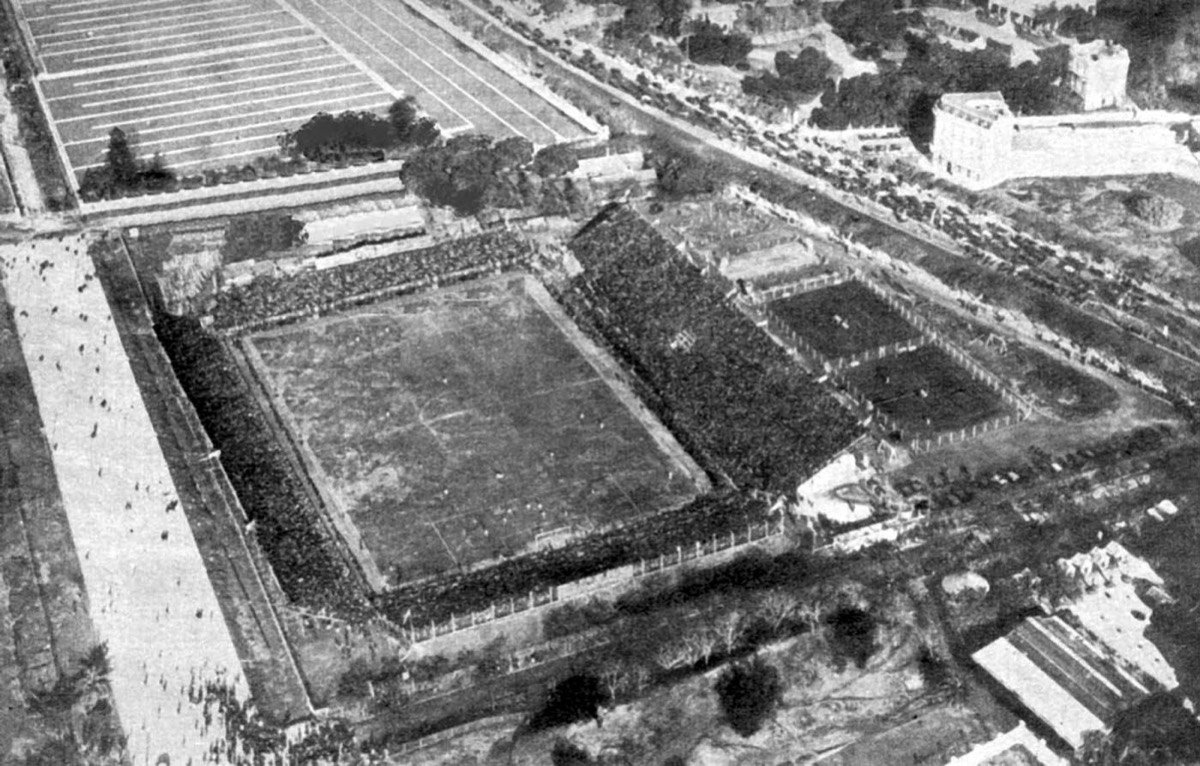
Before El Monumental (The Monumental), River played on the corner of Alvear and Tagle, where Avenida Alvear is now Avenida del Libertador. The stadium opened in 1923, on rented land, and both Real Madrid and Barcelona played there as visitors. River left it at the end of 1937 and opened El Monumental the following year.
Today the site is a square, and not just any square: the Plaza República Oriental del Uruguay, with a monument to José Gervasio Artigas. River's old ground ended up dedicated to the country across the river. Some accounts, however, place the ground where the TV Pública building stands today.
Could you find these grounds on a map? Try it for free on GeoFútbol (in Spanish or Portuguese).
Manuela Pedraza y Crámer (Platense)
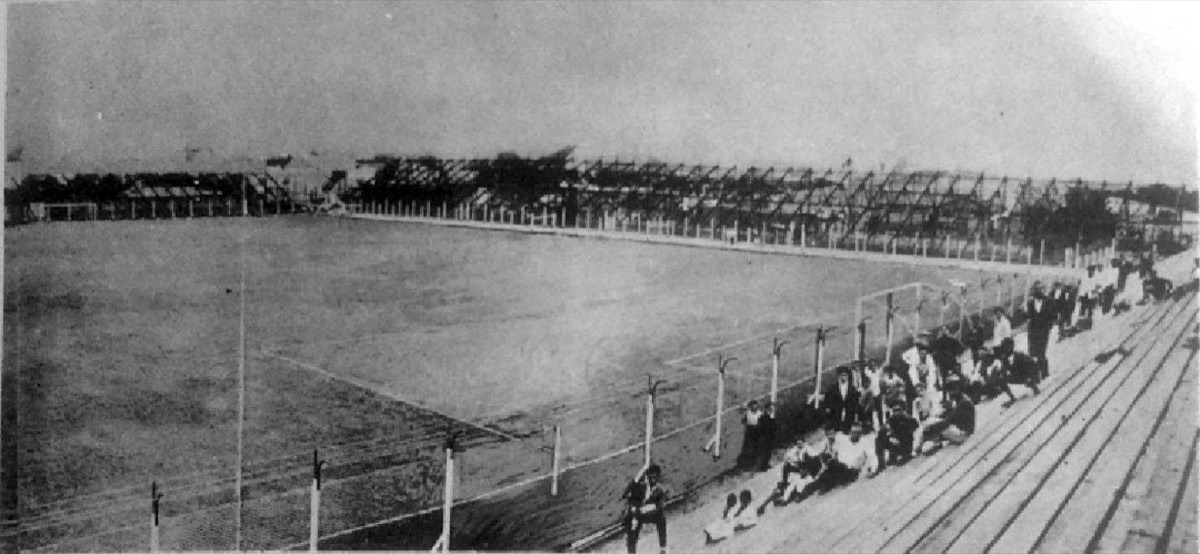
Platense played on this corner from 1917 until 1971, when it lost the rented land. Some sources place it in Núñez and others in Saavedra. Since 1979 the club has played in Vicente López.
A school and a sports centre, opened in 1992, were built on the site. At the end of 2024 the city legislature approved handing its management back to Platense, more than fifty years after the eviction. The club's nickname was, fittingly, born in the mud: a Uruguayan journalist, Antonio Palacio Zino, wrote that on muddy pitches the team moved like a squid in its own ink. Hence "Calamar" (squid).
Chacarita's ground in Villa Crespo
For years Chacarita Juniors played in Villa Crespo, on the block bounded by Humboldt, Murillo, Darwin and Padilla, very close to the ground of its great rival, Atlanta. In the 1940s it lost that ground and moved to San Martín, in Greater Buenos Aires. The ending has a touch of the cruel joke about it: in 1960 Atlanta opened its current stadium on the land that had once belonged to Chacarita.
Sportivo Barracas
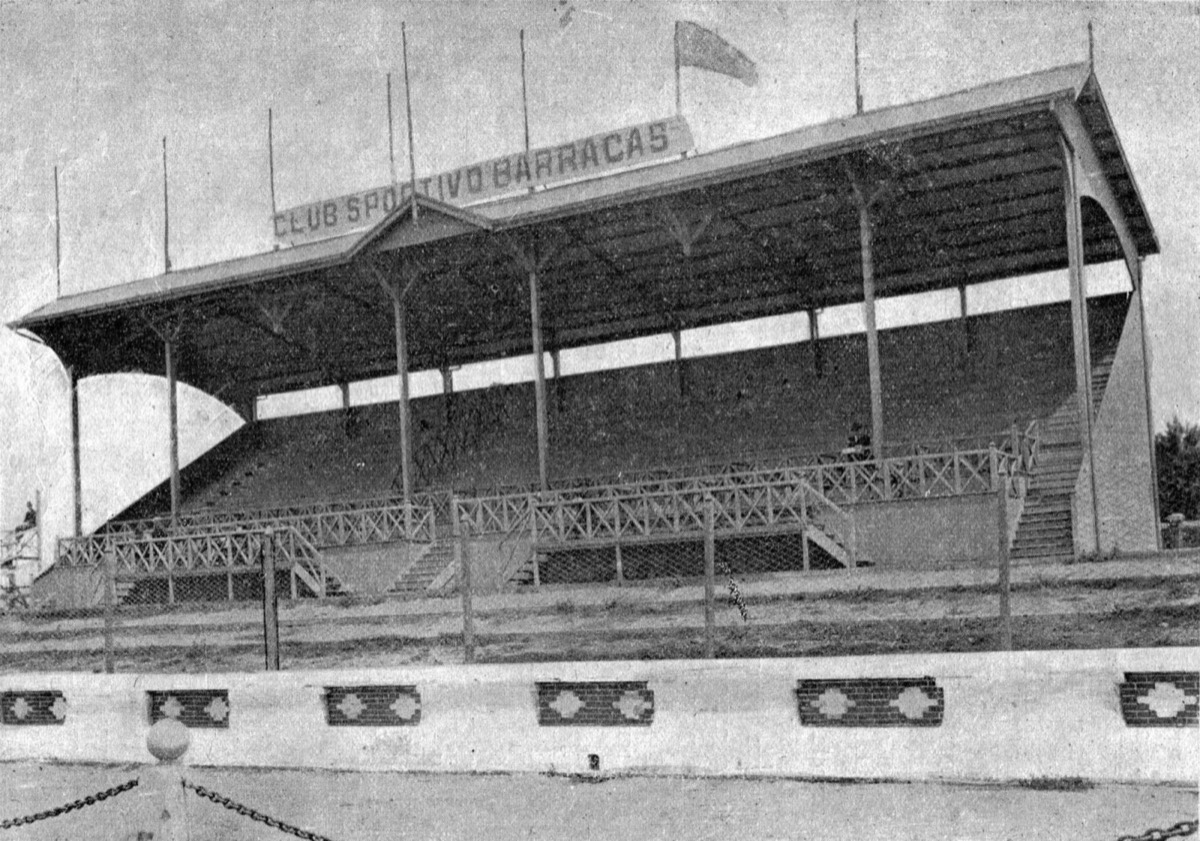
In Barracas, between Iriarte, Luzuriaga, Río Cuarto and Perdriel, stood one of the great stadiums of the 1920s. There, on 2 October 1924, Cesáreo Onzari of Huracán scored the first goal direct from a corner kick, against Uruguay. Uruguay had just won Olympic gold in Paris, which is why that kind of goal is still called a "gol olímpico" (Olympic goal). Sources disagree on when it was demolished: 1937 or 1942.
Today there are houses and a street, Río Limay. For the centenary, in 2024, the neighbourhood held a festival with murals and an archaeological dig in a neighbour's back garden, which lines up with one of the old ground's corners. Few people can say they have a historic corner flag at the bottom of their garden.
Do you know where each ground used to be? Play GeoFútbol today, it's free (in Spanish or Portuguese).