Blog ·
Montevideo, where it all began: the Centenario on the road to 2030
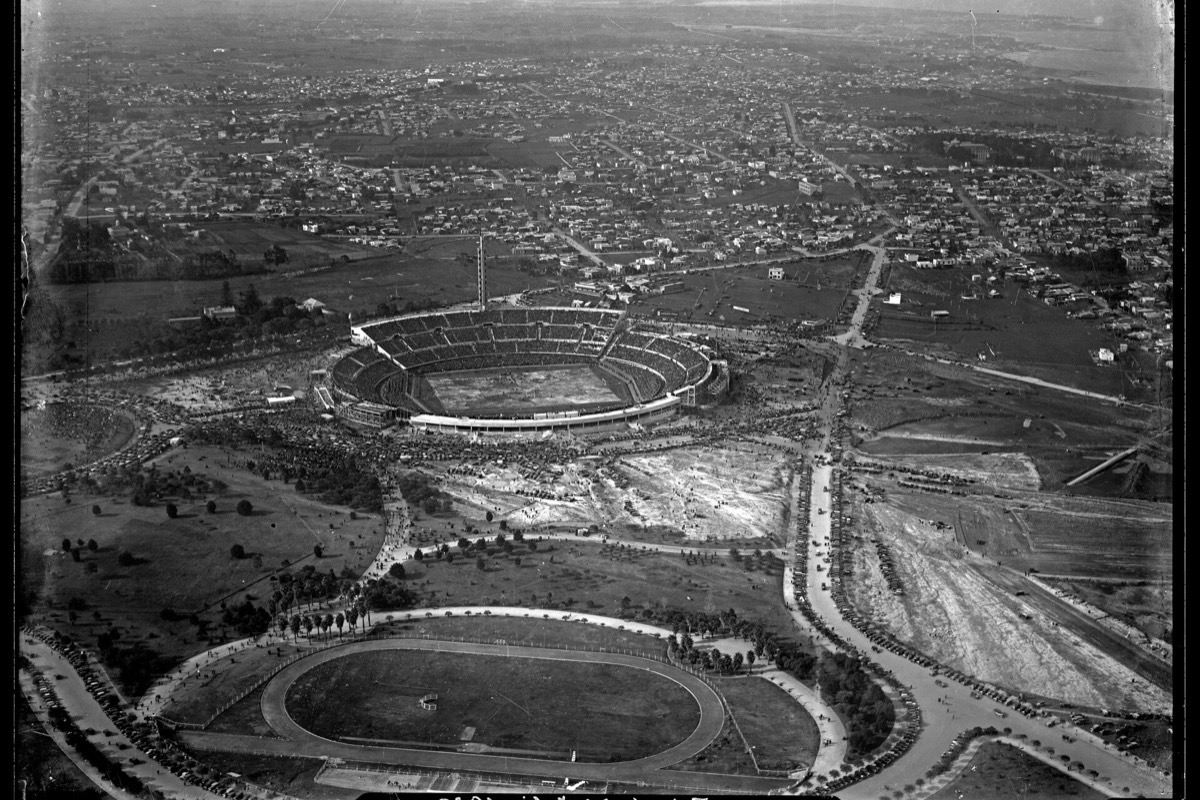
The 2030 World Cup will be played across three continents, but it will start in the same place as the first one. In October 2023, the FIFA Council decided that the centenary edition would open with three matches in South America, and that the first would be played at the Estadio Centenario (Centenary Stadium) in Montevideo. This is the first post in our series on the road to 2030.
The 1930 final
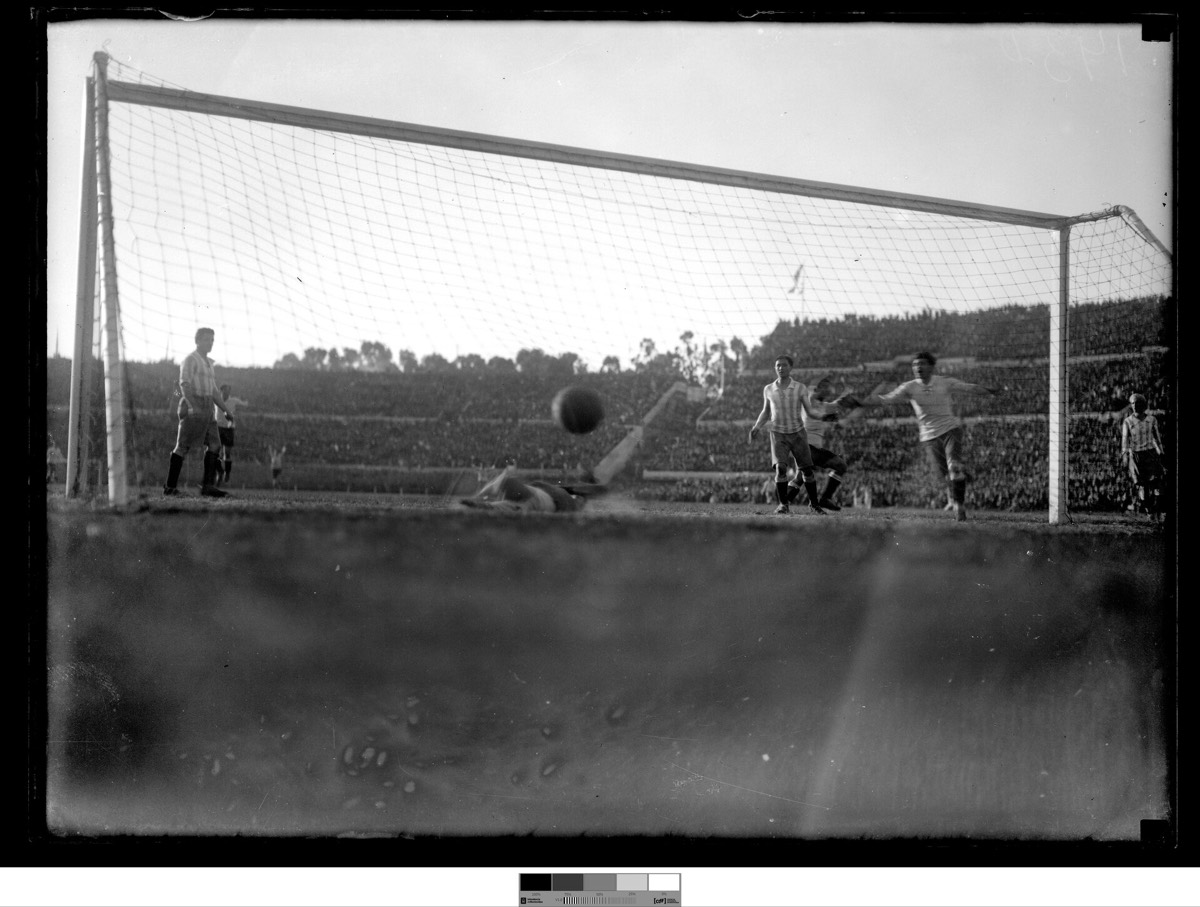
The Centenario was built for that first World Cup and opened on 18 July 1930, when the tournament was already under way. Twelve days later, on 30 July, it hosted the final: Uruguay against Argentina, the same pairing that had decided the 1928 Olympic gold.
Argentina went in at half-time leading 2 to 1, with goals from Carlos Peucelle and Guillermo Stábile; Pablo Dorado had opened the scoring for the hosts. In the second half Uruguay turned it round through Pedro Cea, Santos Iriarte and Héctor Castro. It finished 4 to 2, with the Belgian John Langenus as referee, and Uruguay became the first world champions.
That afternoon also left the story of the two balls: with no agreement between the teams, each half was played with one side's ball. We tell it in more detail in our post on the Estadio Centenario.
Colombes and Ámsterdam, the stands that remember
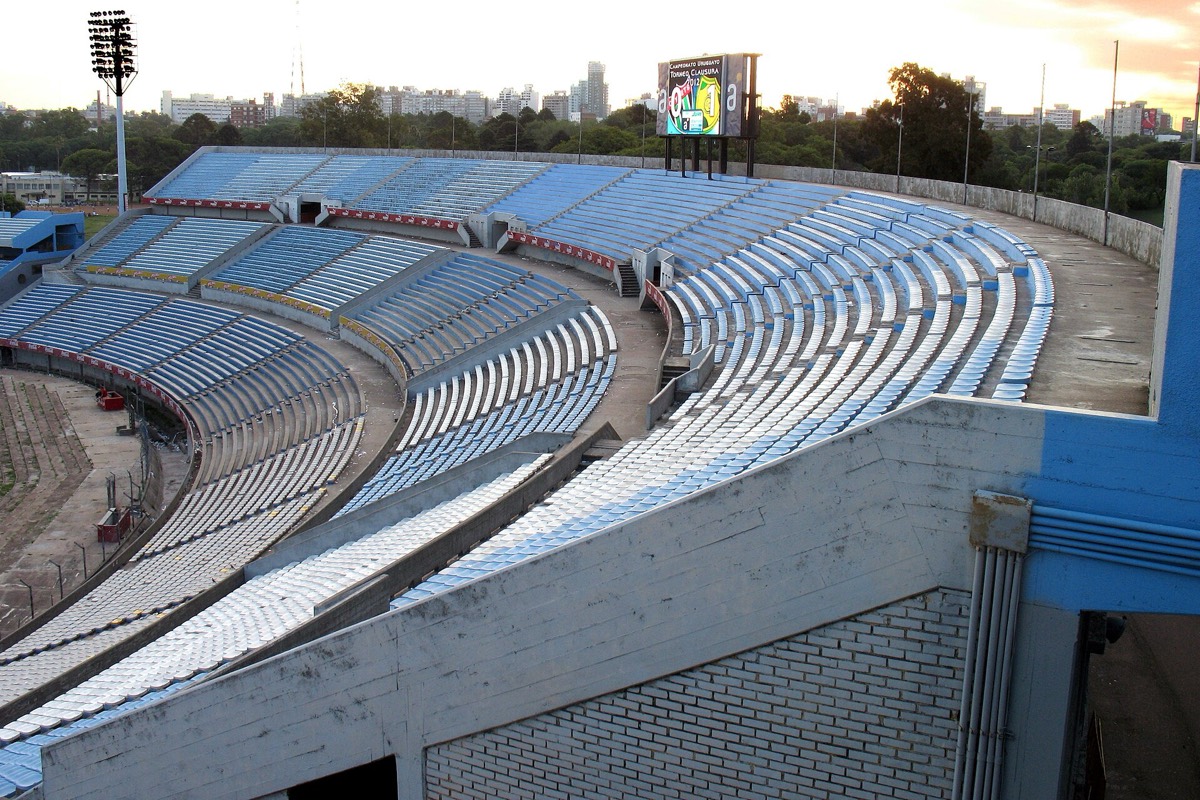
Before becoming world champions, Uruguay had already won two Olympic golds, and the stadium remembers them in the stands behind the goals. The Colombes stand is named after the French town, next to Paris, where Uruguay became Olympic champions in 1924. The Ámsterdam stand recalls the second gold, in 1928, won against Argentina in a final that had to be played twice, as we tell in our post on the Amsterdam 1928 Olympics.
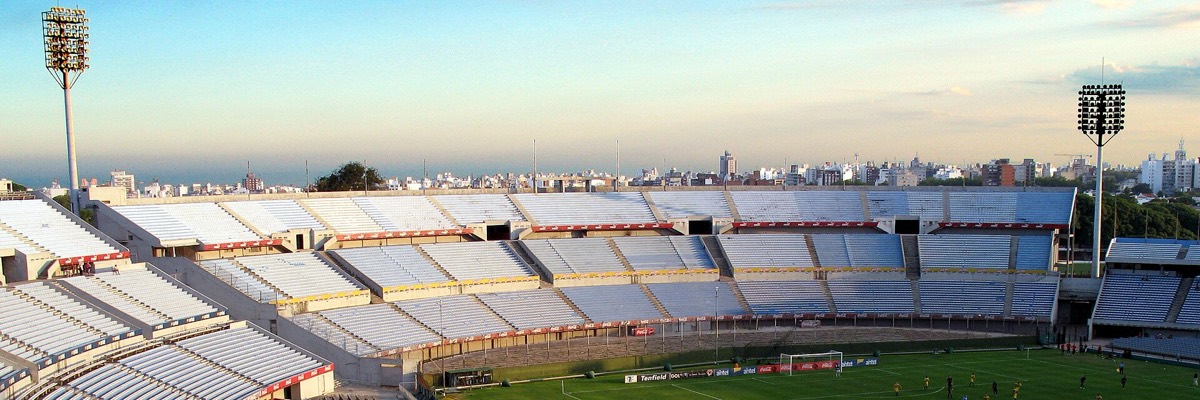
In 1983, FIFA declared the Centenario a Historical Monument of World Football. Could you find it on a map without names, among all the grounds in Montevideo? Try it for free on GeoFútbol (in Spanish or Portuguese).
The Centenario on the road to 2030
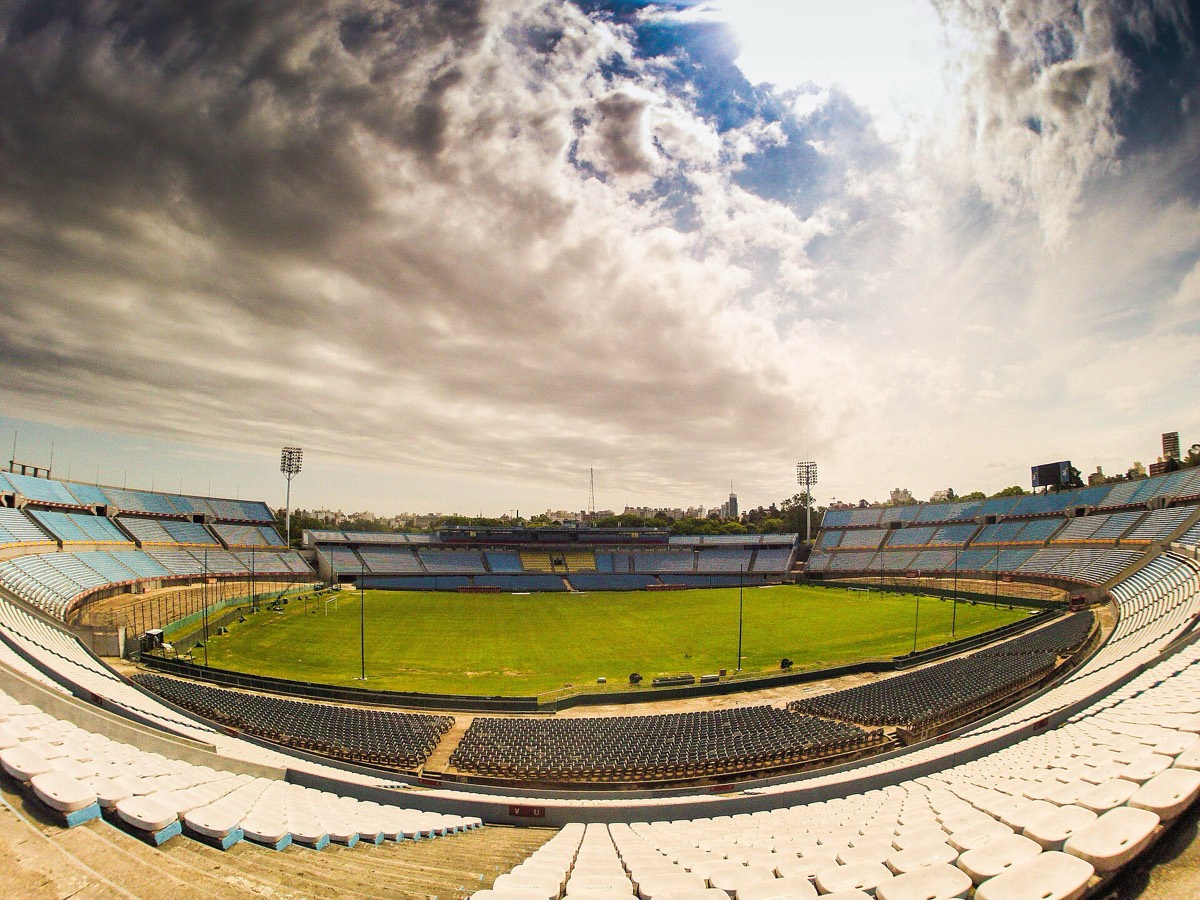
In December 2024, the FIFA Congress confirmed Uruguay, Argentina and Paraguay as hosts of the centenary matches, one in each country. The Centenario gets the first. The date and the opponent have not been decided yet.
To get there, there is a renovation plan, presented by the Uruguayan Football Association (AUF) in the bid: a roof covering almost the whole stadium, except the area of the Torre de los Homenajes (Tower of Homage), plus commercial and hospitality areas and better access. It is a plan, not a building site. By mid-2026 the works had not started, and the Uruguayan government made it clear that it wants most of the investment to be private. In June 2026 a commission was set up with the national government, Montevideo's city council and the AUF to coordinate the preparations. The cost and the start date of the works are still undecided.
In the meantime the stadium remains open, and you can visit the Football Museum under the Olímpica stand. If you want to keep travelling, the next post in the series crosses the river: the centenary triangle, with Montevideo, Buenos Aires and Asunción.
Where to stay
In the accommodation map at the end of this post you will find options in Montevideo, near Parque Batlle and the Centenario.
The Centenario is one of the grounds that can come up in GeoFútbol. Play GeoFútbol today, it's free (in Spanish or Portuguese).