Blog ·
The centenary triangle: Montevideo, Buenos Aires and Asunción
The 2030 World Cup will be played in Spain, Portugal and Morocco, but it starts in South America. To celebrate a hundred years since the first World Cup, FIFA gave a home match to each of three national teams: Uruguay, Argentina and Paraguay. That makes a triangle of three capitals and three stadiums you can cover in a single trip. The dates and opponents of those matches have not been decided yet, so this route works for 2030 and for any visit before then.
Montevideo: the Centenario
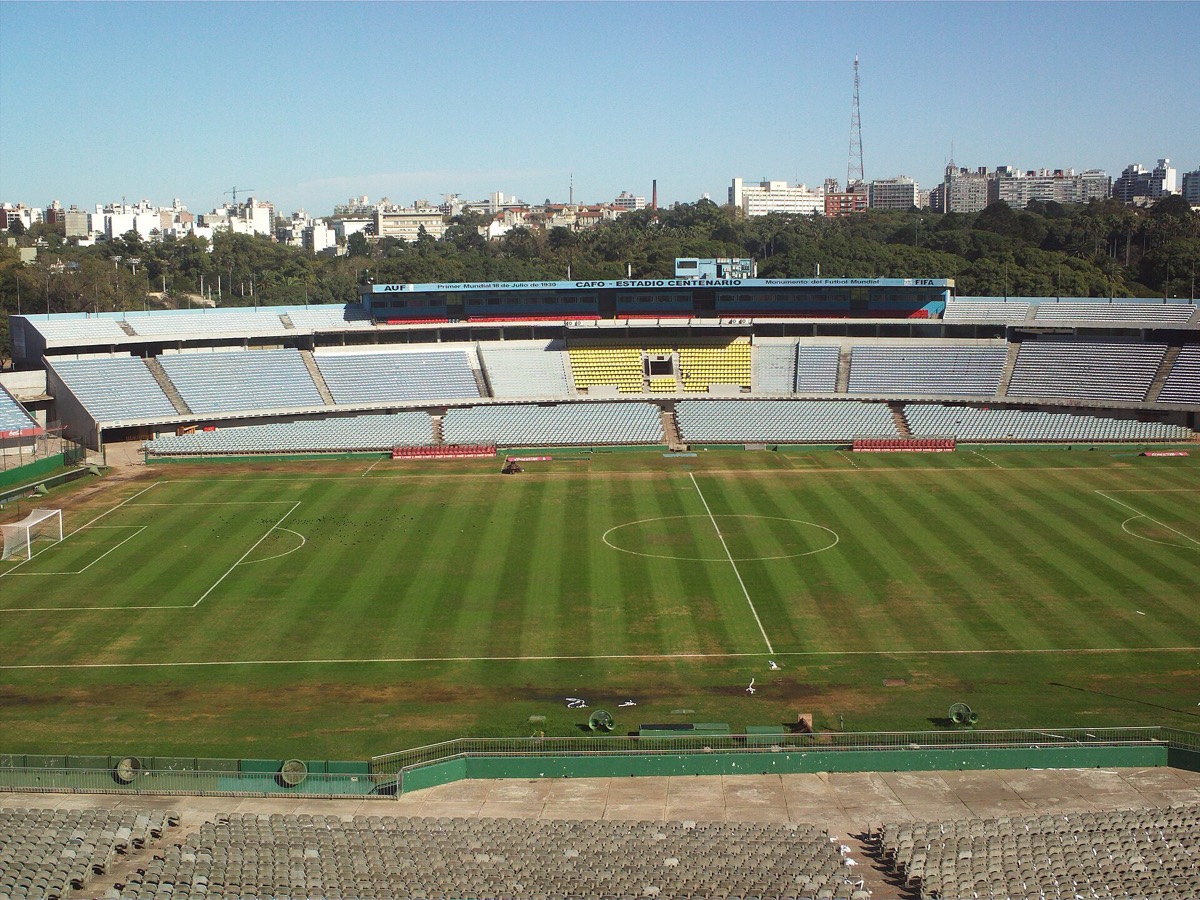
It all starts where it all began. The Estadio Centenario (Centenary Stadium) hosted the first World Cup final, in 1930, when Uruguay beat Argentina 4 to 2, and under FIFA's decision it will stage the first of the centenary matches. It stands in Parque Batlle, with the Football Museum under the Olímpica stand. We cover its present and the planned renovation in the first post of this series, Montevideo, where it all began. To see more of the city, try our Montevideo football walk.
Buenos Aires: the Monumental
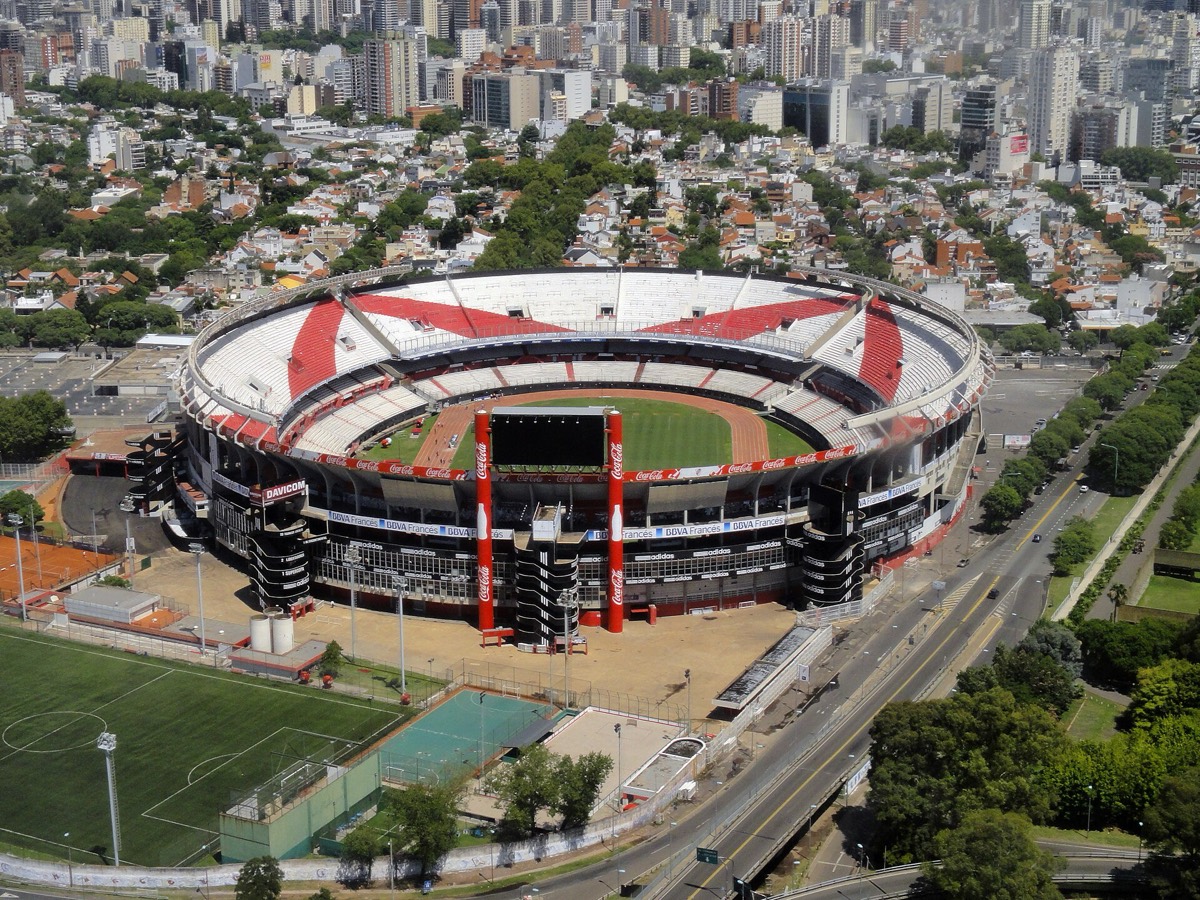
The second corner is the Monumental, River Plate's ground and the usual home of the Argentina national team. It opened in 1938 and staged the 1978 World Cup final: on 25 June that year, Argentina beat the Netherlands 3 to 1 after extra time and became world champions for the first time. It is associated with Núñez, although the land belongs to the neighbouring district of Belgrano. There are more grounds to add to your stop in our post on the most famous stadiums in Buenos Aires.
Could you find these three grounds on a map without names? Try it for free on GeoFútbol (in Spanish or Portuguese).
Asunción: Olimpia's new stadium
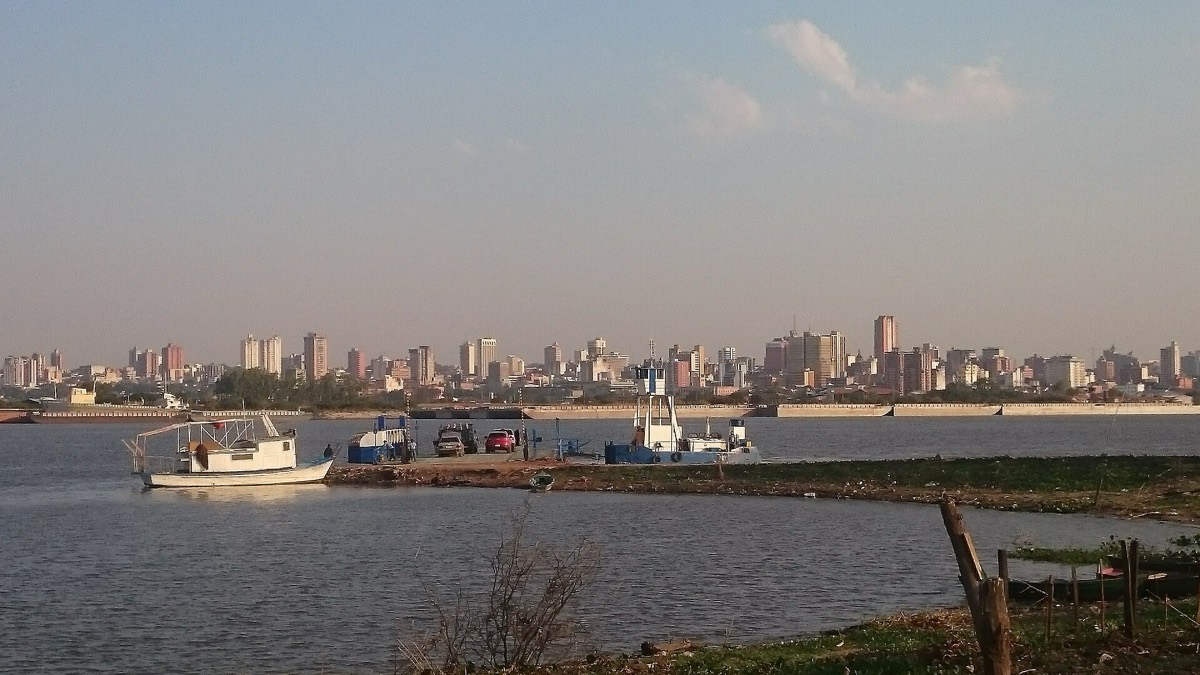
The third match will be played in Asunción, at Olimpia's Estadio Osvaldo Domínguez Dibb (Osvaldo Domínguez Dibb Stadium). The old stadium, known as Para Uno, was demolished in 2024, and a new one is going up on the same site, designed for the 2030 match. How the works are going and what is known about the project is in the third post of the series, on Olimpia's new stadium.
Getting between the three
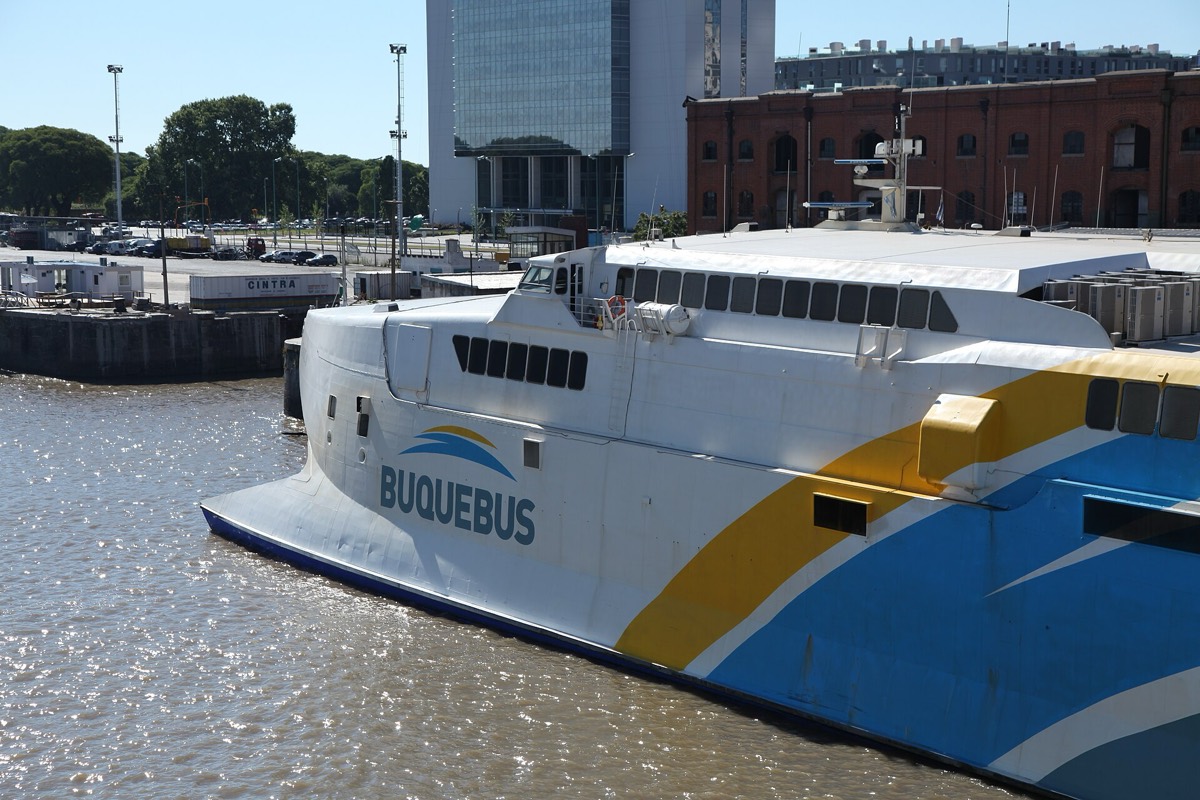
Between Buenos Aires and Uruguay, the classic option is to cross the Río de la Plata by boat. The Buquebus fast ferry runs from Buenos Aires to Colonia del Sacramento in about an hour and a quarter. From Colonia you continue by coach to Montevideo, and some tickets already include that leg. There are also direct boats from Buenos Aires to Montevideo, which take longer; it pays to compare the day's timetables.
To reach Asunción, flying is the practical choice. Direct flights from Buenos Aires's Aeroparque take a little under two hours and land at Silvio Pettirossi airport, in Luque, about ten kilometres from the city centre. From Montevideo there are fewer direct flights and they do not always run all year, so it often makes sense to go through Buenos Aires.
One possible route: start in Montevideo, cross to Buenos Aires via Colonia and fly on to Asunción from there. Or the other way round, finishing where the first final was played.
The Centenario and the Monumental are two of the grounds that can come up in GeoFútbol. Play GeoFútbol today, it's free (in Spanish or Portuguese).