Blog ·
The most curious stadium nicknames in Latin America
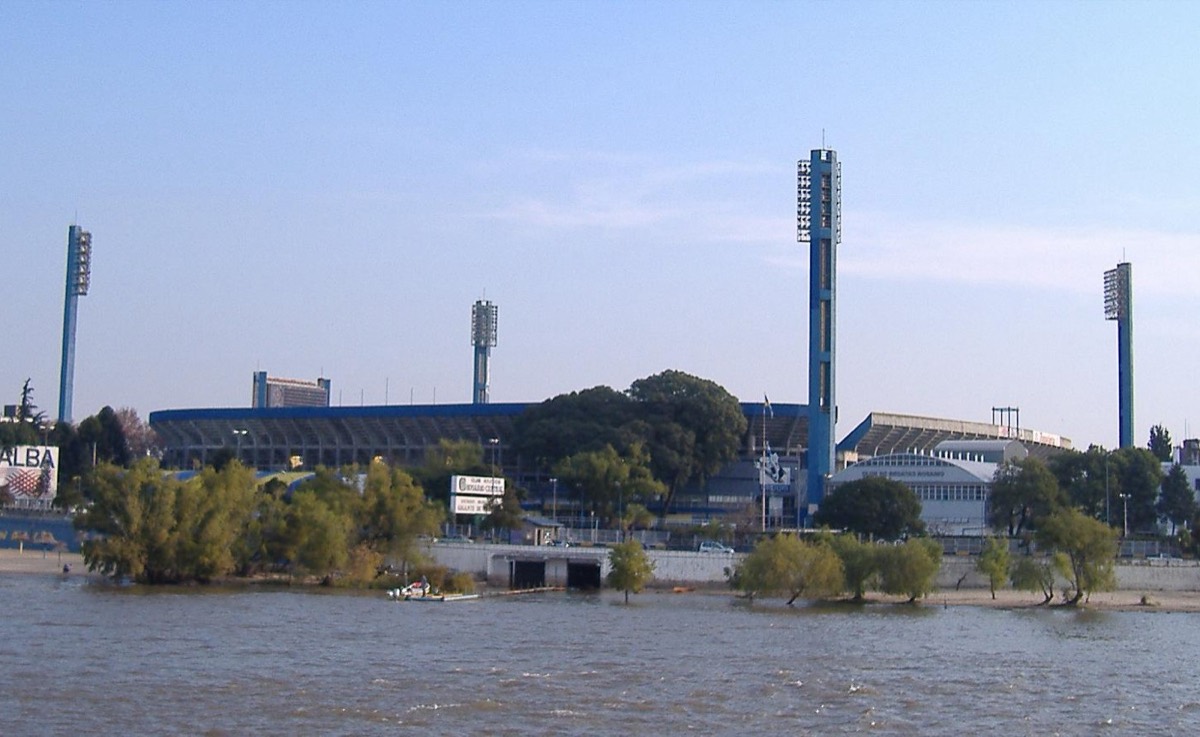
In Latin America almost nobody calls a stadium by its official name, and the nickname often hides a better story than the name itself. We have already told the tale of La Bombonera and its box of chocolates in our tour of Buenos Aires' most famous stadiums. Here are more, from seven different countries.
El Gigante and El Coloso (Rosario, Argentina)
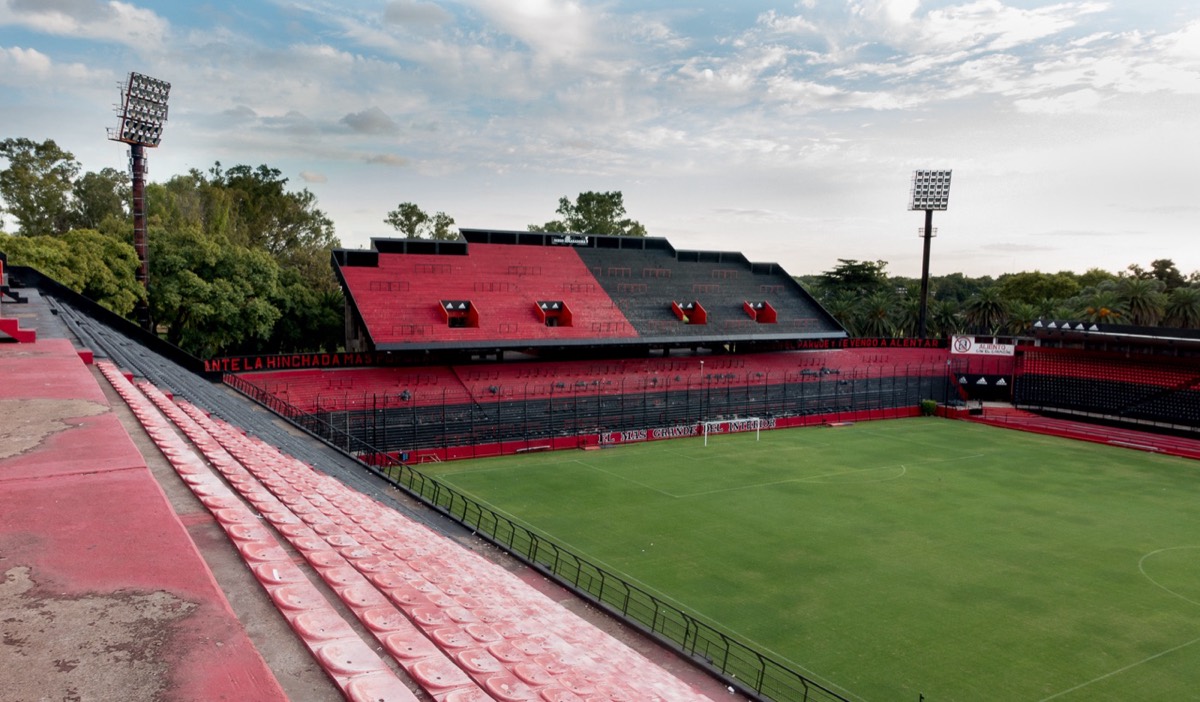
Rosario has two big stadiums, and both got XL-sized nicknames. Rosario Central's ground, opened in 1926, is the Gigante de Arroyito (the Giant of Arroyito), named after the part of the city where it stands. Newell's ground, opened in 1911, is the Coloso del Parque (the Colossus of the Park), because it sits inside the Parque de la Independencia. Since 2009 it has carried the name of Marcelo Bielsa. In Rosario, nobody wants the small stadium.
Maracanã (Rio de Janeiro, Brazil)
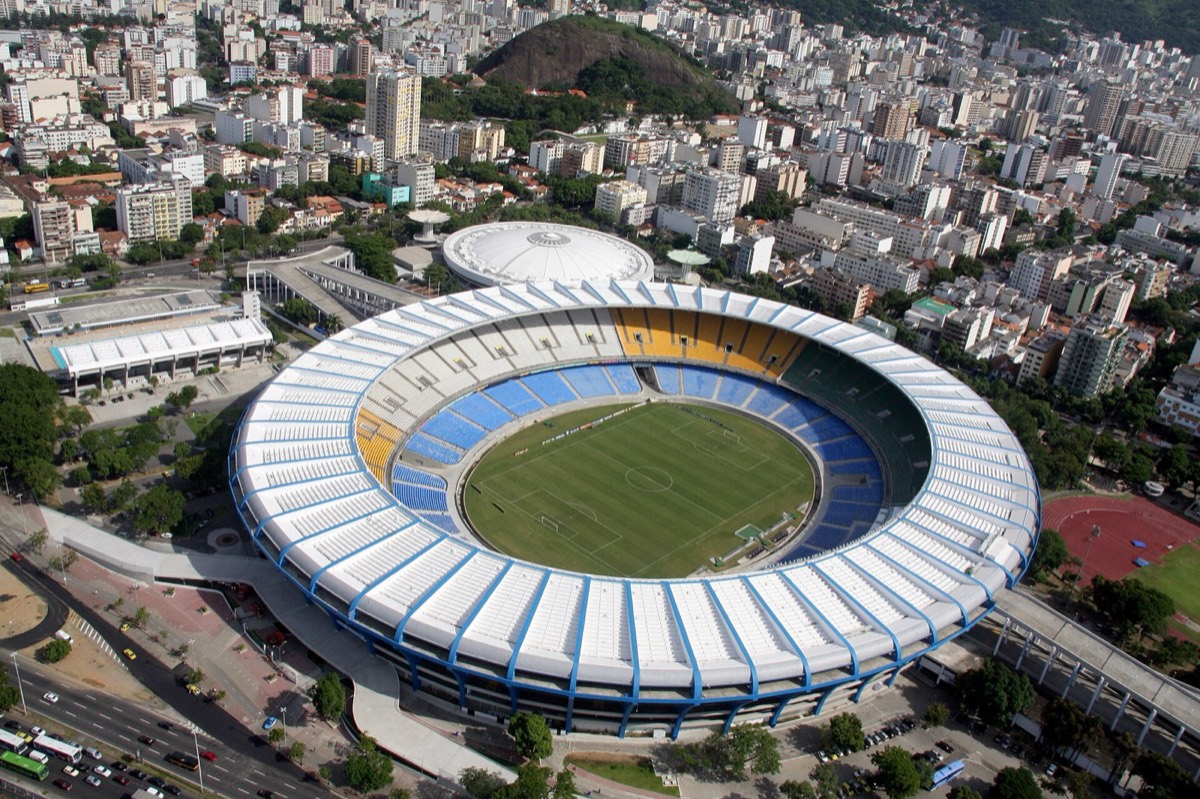
Its official name honours a sports journalist, Mário Filho, but everyone calls it Maracanã after the river that runs alongside it. And the river, according to the most widespread explanation, takes its name from a Tupi word for a kind of parrot that lived in the area. In other words, Brazil's most famous stadium is named after a bird. It opened in 1950 for the World Cup.
Mineirão (Belo Horizonte, Brazil)
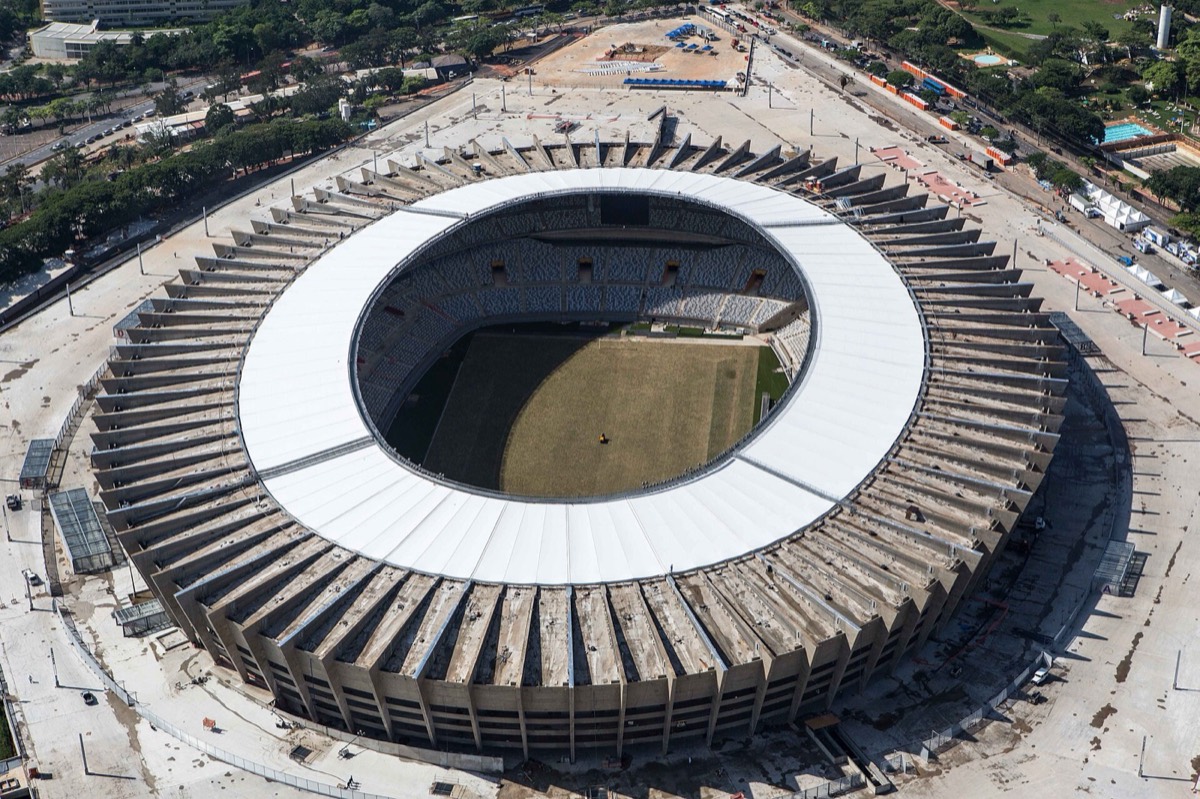
In Brazil, a big stadium calls for an augmentative. The Estádio Governador Magalhães Pinto (Governor Magalhães Pinto Stadium), opened in 1965 in Pampulha, is the Mineirão: the big mineiro. In Rio, Botafogo's stadium, opened in 2007 in the Engenho de Dentro neighbourhood, is the Engenhão (the Big Engenho). In Salvador, Vitória have played since 1986 at the Manoel Barradas stadium, named after a club official and known to all, of course, as the Barradão (the Big Barradas).
Could you place all these stadiums on a map? Try it for free on GeoFútbol (in Spanish or Portuguese).
El Coloso de Santa Úrsula (Mexico City, Mexico)
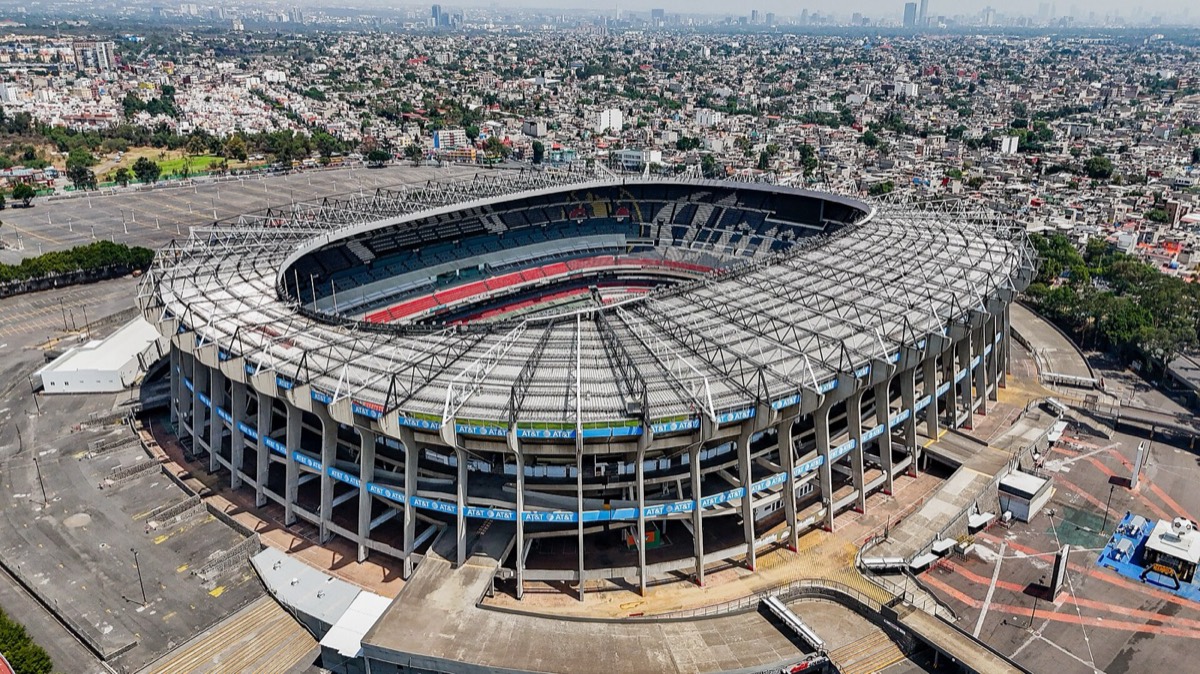
The Estadio Azteca (Aztec Stadium) opened in 1966 on land that once belonged to the old ejido (communal farmland) of Santa Úrsula, in Coyoacán. Hence the nickname, plus its size. Building it meant dynamiting volcanic rock left behind by the Xitle volcano. The finals of the 1970 and 1986 World Cups were played there.
El Campín (Bogotá, Colombia)
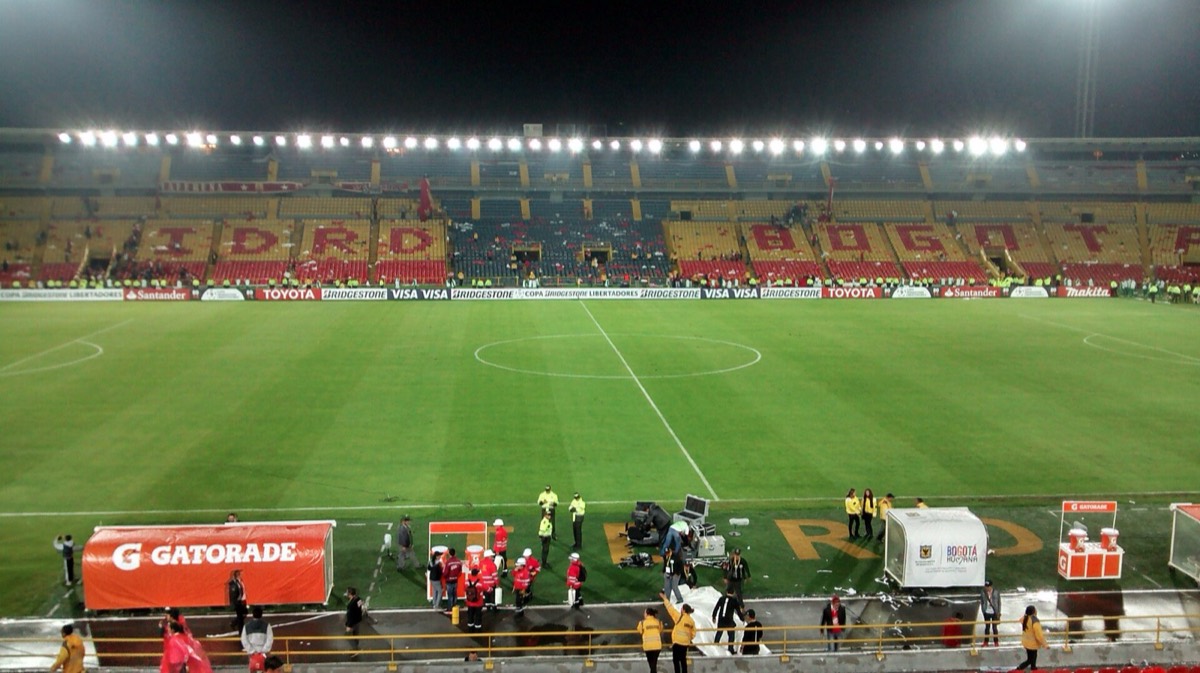
The Nemesio Camacho stadium, opened in 1938, is El Campín (The Campsite) to everyone. The name comes from the English word "camping": before construction, people came to camp on this green area. Today Millonarios and Santa Fe play there, no tents required.
Sausalito (Viña del Mar, Chile)
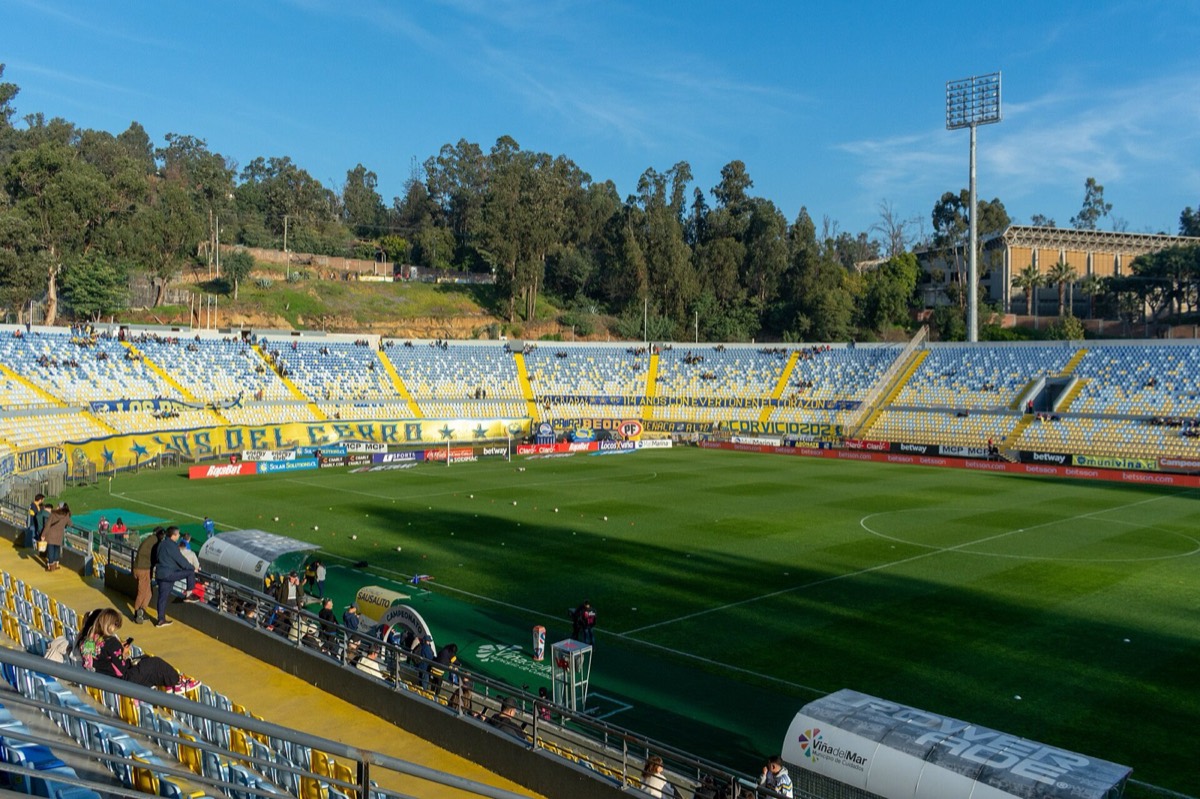
Everton's stadium opened in 1929 and for years was called El Tranque (The Reservoir). In 1960, Viña del Mar was twinned with Sausalito, a town in California. Sausalito named a square after Viña del Mar and Viña, in return, named its stadium Sausalito. A very diplomatic exchange of gifts.
La Olla (Asunción, Paraguay)
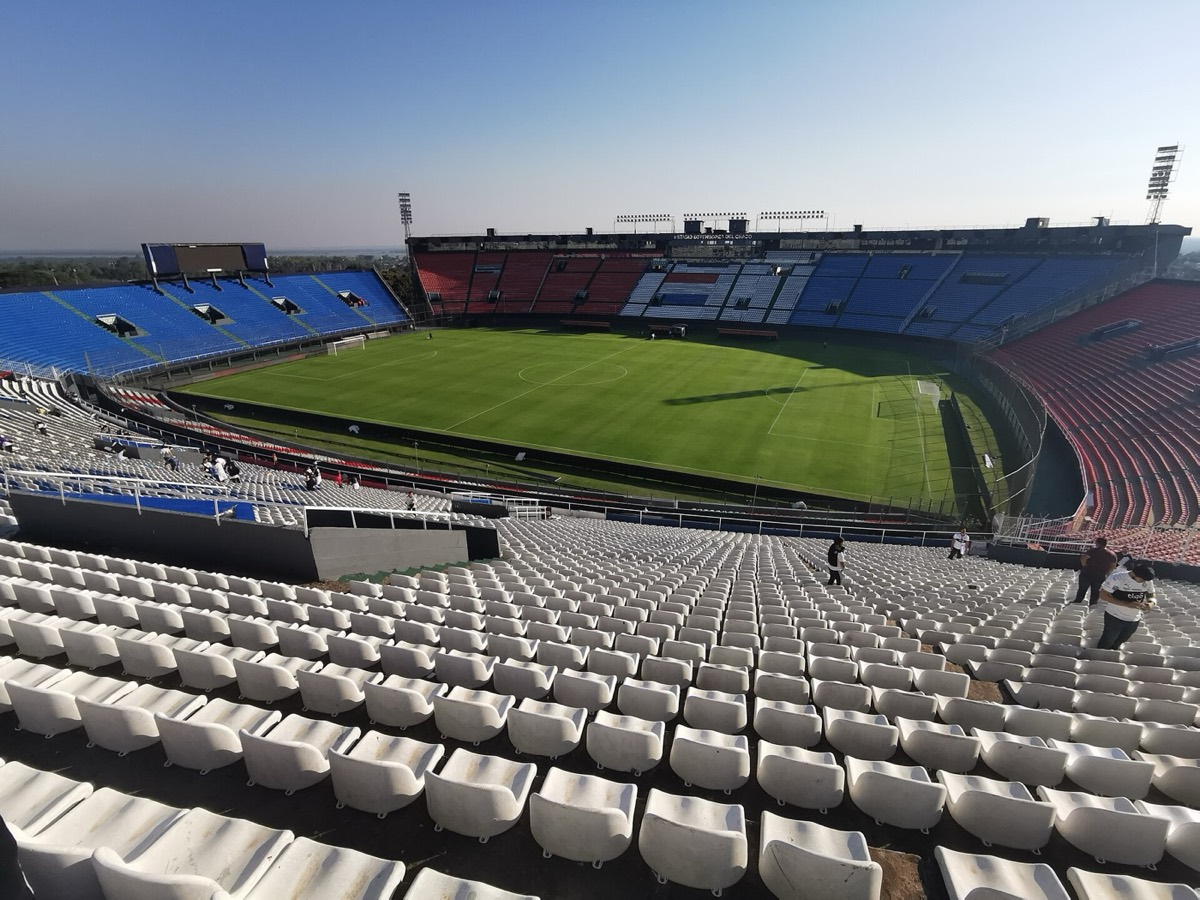
Cerro Porteño's stadium, in Barrio Obrero, opened in 1970 and reopened fully renovated in 2017 as La Nueva Olla (the New Pot). The nickname was reportedly given by General Pablo Rojas himself, the club's president, whose name the stadium carries today. Why "olla" (pot) is a story told in more than one way.
Campeón del Siglo (Montevideo, Uruguay)
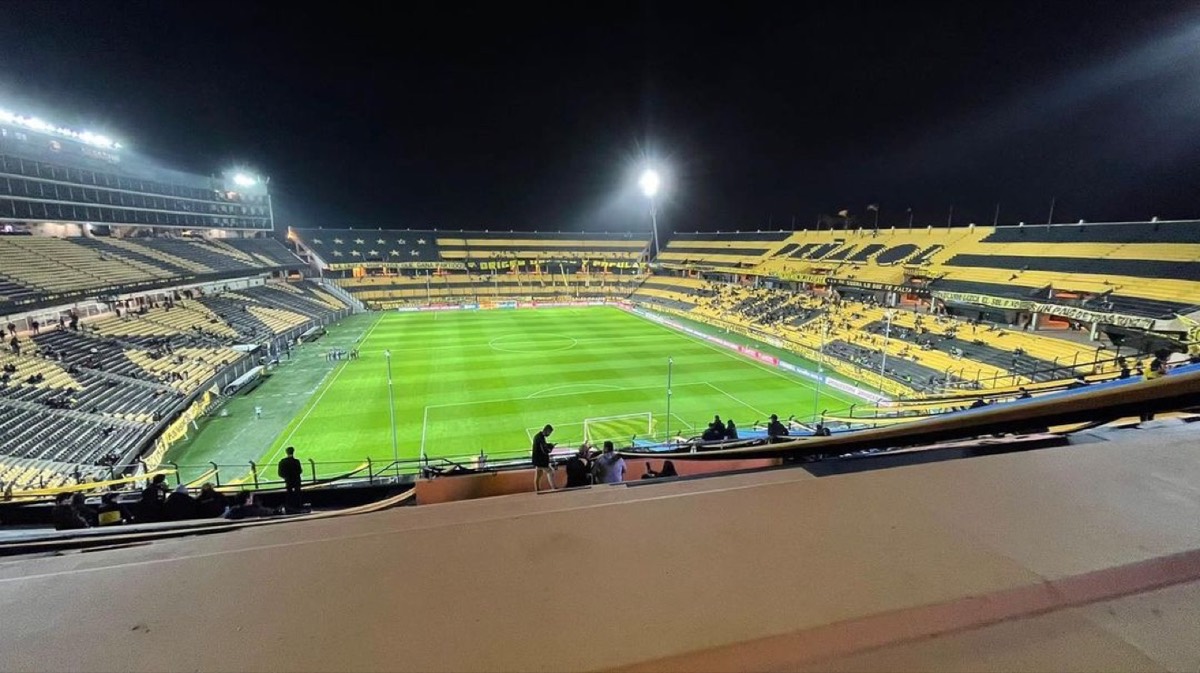
Peñarol opened their stadium in 2016, in Bañados de Carrasco, and modesty was not on the agenda: they called it Campeón del Siglo (Champion of the Century), after being chosen as the best South American club of the 20th century. Diego Forlán scored the first goal, and at the entrance stands an old locomotive that recalls the club's railway origins.
What is your favourite nickname? Play GeoFútbol today, it's free (in Spanish or Portuguese).