Blog ·
Avellaneda, home of the King of Cups: a walk between two stadiums
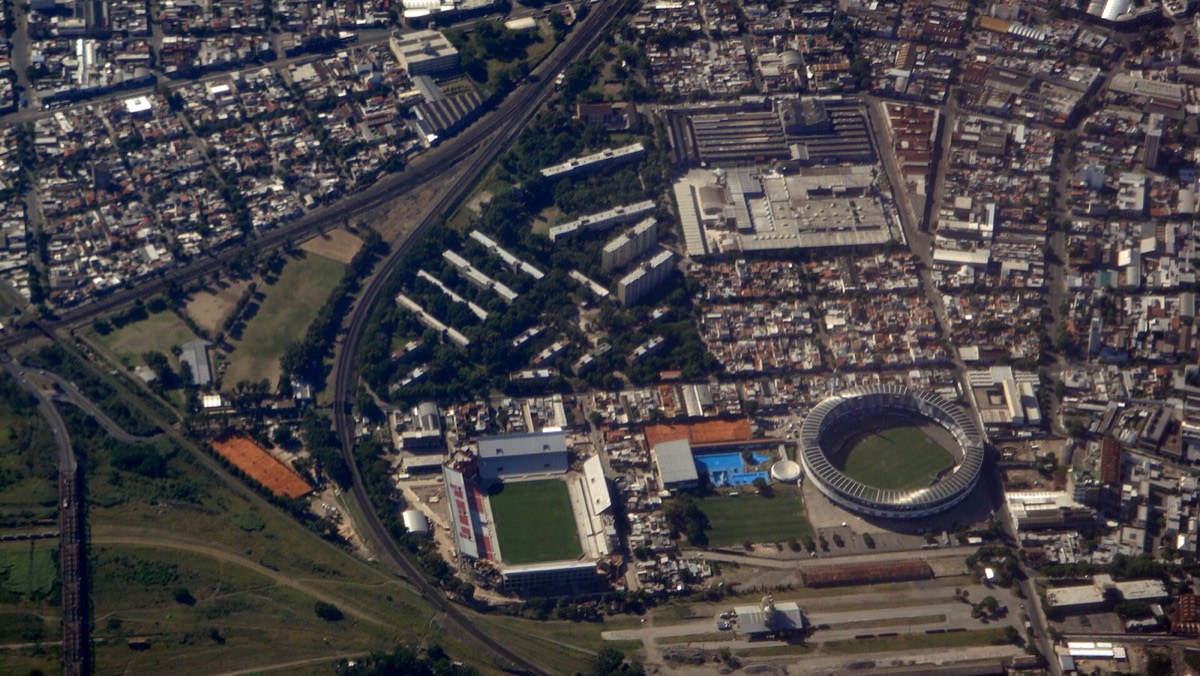
Some cities have one famous stadium. Avellaneda has two, and they are so close they almost share a pavement. Between them, Independiente and Racing have won eight Copas Libertadores: seven for the Rojo (the Reds) and one for the Academia. Nobody has officially measured how many cups there are per square kilometre, but you would struggle to find another corner of the map to beat it.
Crossing the Riachuelo
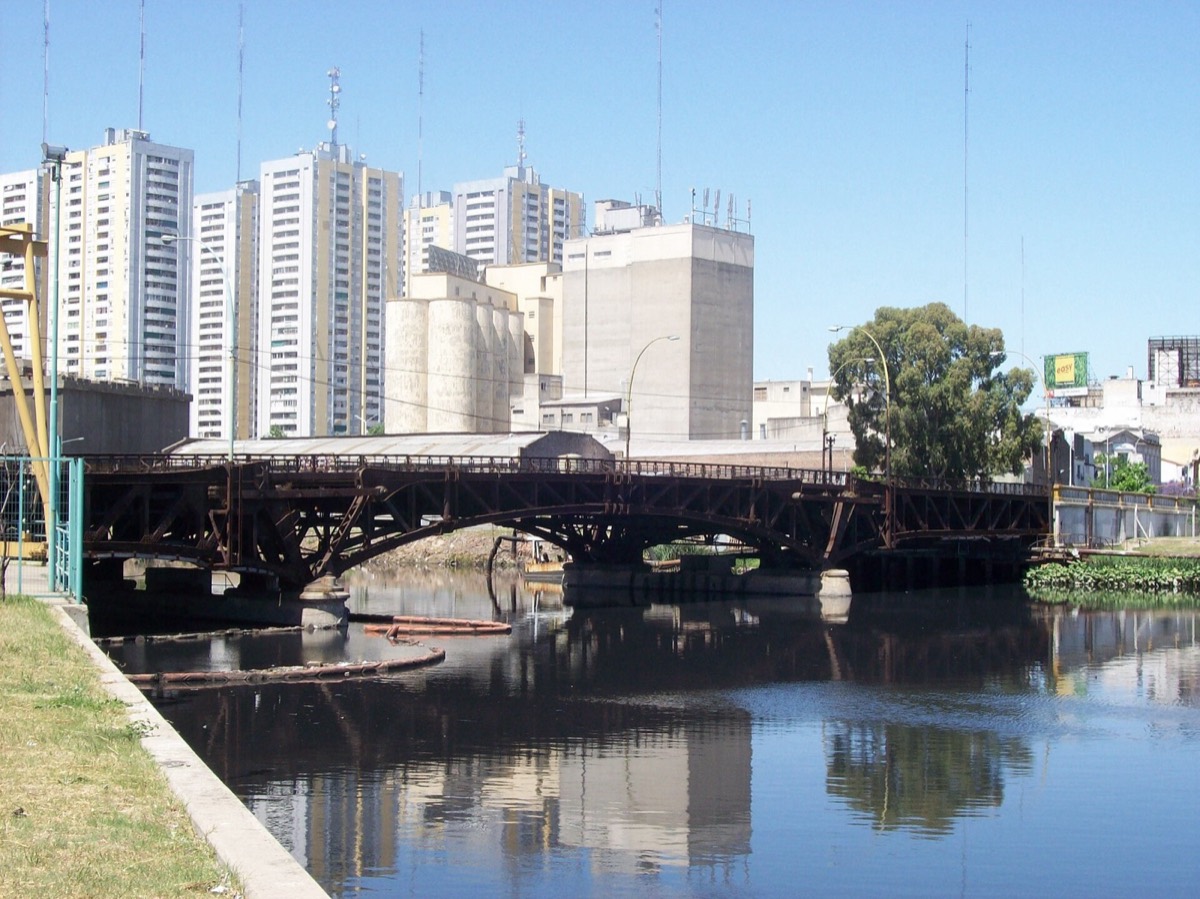
Avellaneda lies in Buenos Aires province, on the other side of the Riachuelo. From the city there are two classic routes.
The first is the Puente Pueyrredón, the bridge that links Calle Vieytes, in Barracas, with Avenida Mitre, Avellaneda's main thoroughfare.
The second is the Roca line train from Constitución. The stop is the old Avellaneda station, now officially named after Darío Santillán and Maximiliano Kosteki, and it is close to both stadiums.
A stroll of a couple of blocks
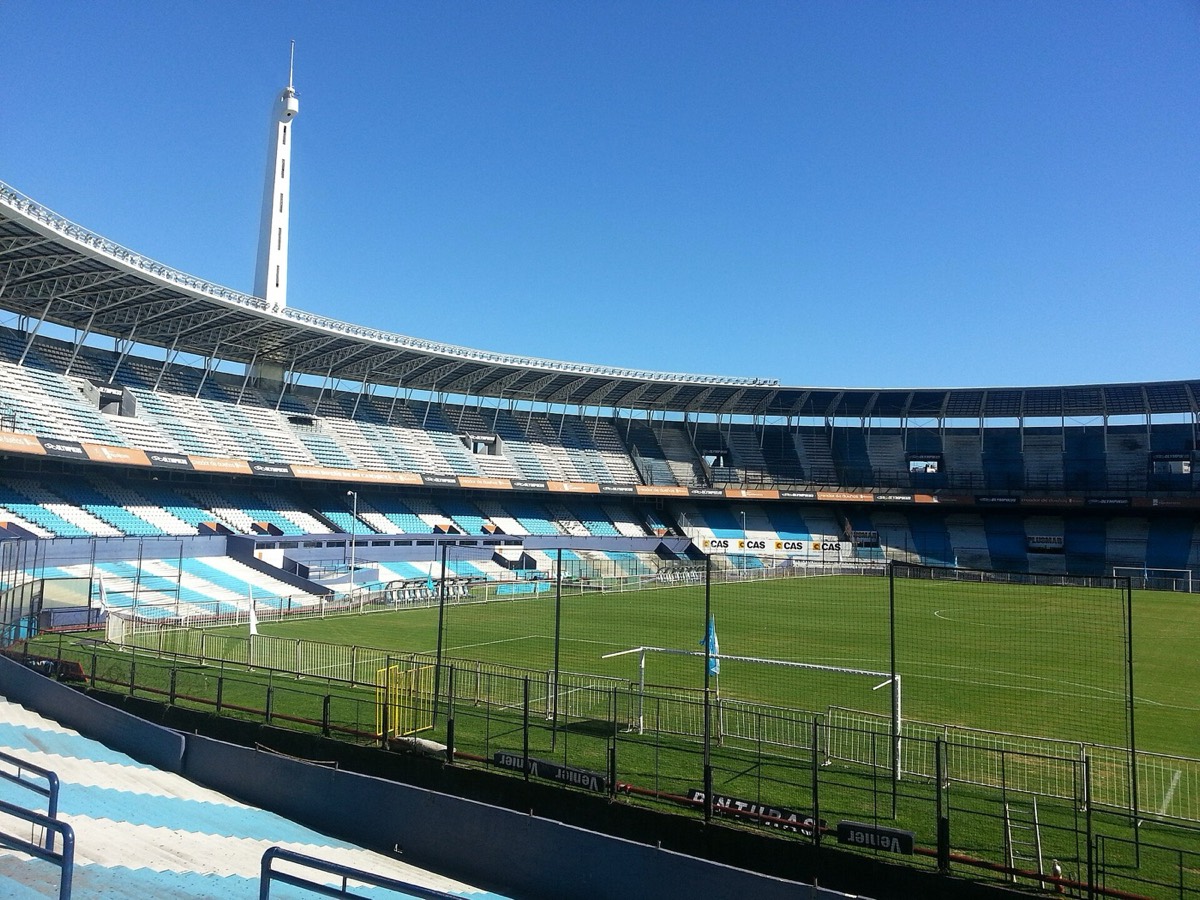
The stadiums are so close together that the walk takes just a few minutes. Depending on who is measuring, it is 200 metres or less than two blocks. If you get lost, just turn your head.
We tell the story of each ground, from El Cilindro (The Cylinder) to the old Doble Visera (Double Canopy), in Buenos Aires' most famous stadiums. Here, what matters is the geography: in Avellaneda, your rival quite literally lives round the corner.
Could you find Avellaneda on a map with no names? Try it for free on GeoFútbol (in Spanish or Portuguese).
Two nicknames with a story
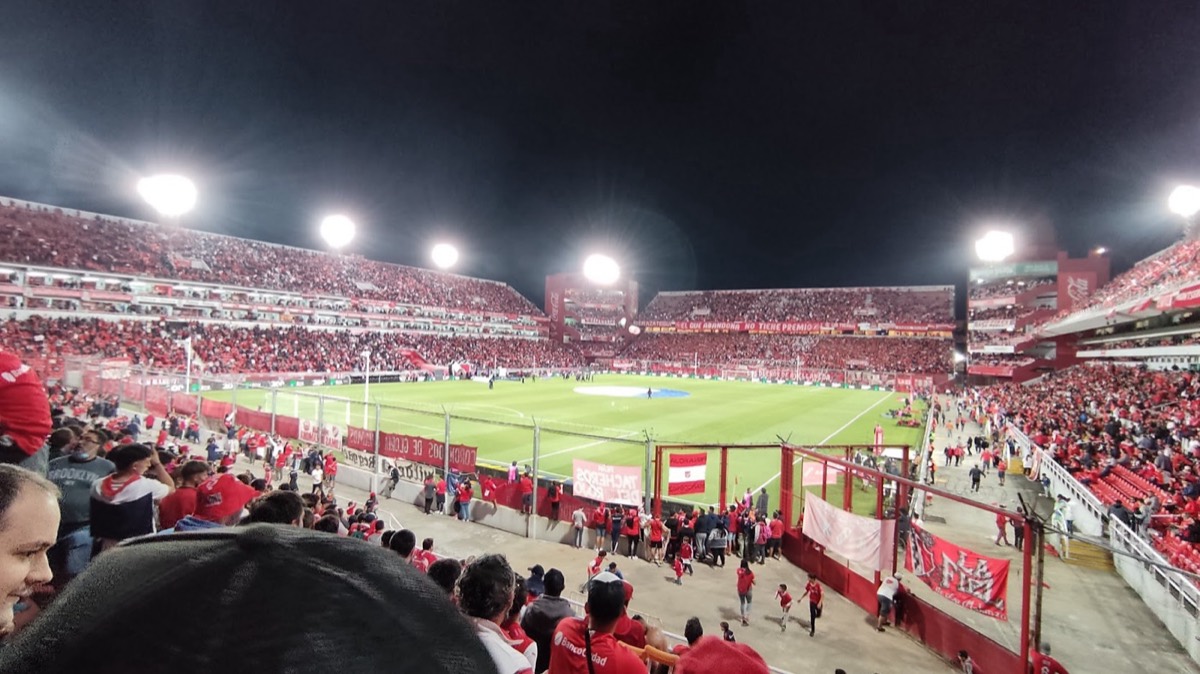
Independiente have been called the Diablos Rojos (Red Devils) since 1926. That year, the journalist Hugo Marini described their forward line as "endiablada" (devilish), and the nickname stuck. The red, according to the most popular version, came from the admiration of club president Arístides Langone for England's Nottingham Forest. The club was also founded by employees of a Buenos Aires shop called "A la Ciudad de Londres" (To the City of London).
Racing were no slouches at imports either: the name came from a French sports magazine shown around by one of the founders, Germán Vidaillac. The Academia nickname arrived in 1915, in the middle of a run of titles, thanks to the quality of their football. So the Avellaneda derby pits a club with a French name against one with a shirt inspired by England. Very local, very international.
1967: the Academia's year
Independiente's seven titles, including four in a row, are covered in the history of the Copa Libertadores told through places. Racing's great year was 1967. They drew 0-0 twice with Uruguay's Nacional in the final and won the play-off 2-1 in Santiago de Chile.
That same year they played the Intercontinental Cup against Celtic of Scotland: they lost in Glasgow, won in Avellaneda, and the tie was decided at the Centenario (Centenary Stadium) in Montevideo. On 4 November 1967, a thunderbolt from Juan Carlos Cárdenas gave them a 1-0 win and Racing became the first Argentine club to be world champions. The match was so rough, with several players sent off, that it is remembered as the Battle of Montevideo. To become champions of America and of the world, the Academia had to leave home twice.
Tips for your visit
It is best to go on a non-match day and in daylight, as in any stadium area of a big city. If you would like to go inside either ground, check first with each club's official channels.
Now that you know where the home of the King of Cups is, try finding it on the map. Play GeoFútbol today, it's free (in Spanish or Portuguese).